New York Rent Freeze Erupts Into National Firestorm as Tenants Celebrate and Landlords Warn of Housing Disaster
New York Rent Freeze Erupts Into National Firestorm as Tenants Celebrate and Landlords Warn of Housing Disaster
New York City has just lit the fuse on one of the most explosive housing battles in America.
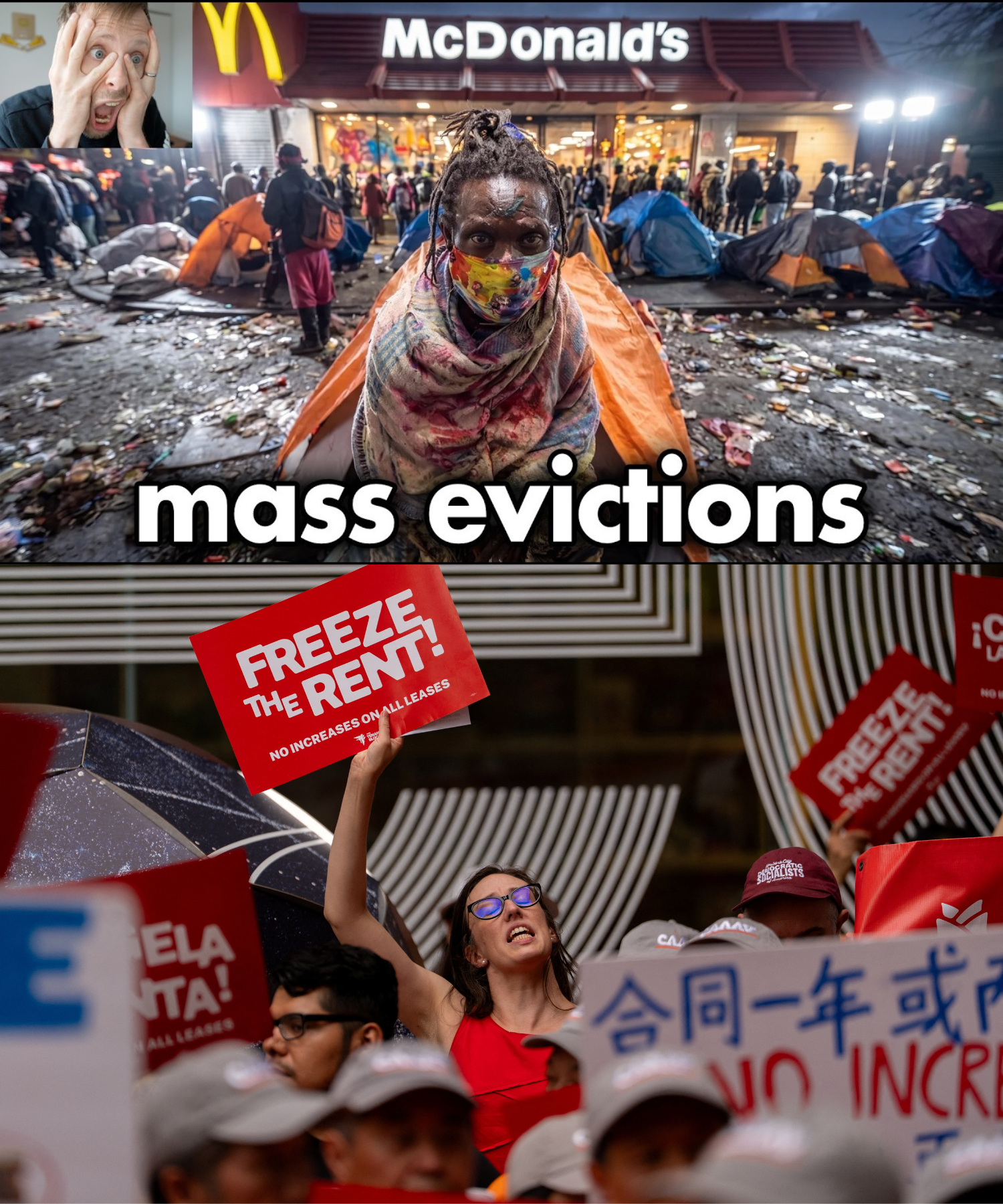
In a historic vote that sent tenants cheering and landlords warning of disaster, the city’s Rent Guidelines Board approved a rent freeze on one- and two-year leases for rent-stabilized apartments, delivering Mayor Zohran Mamdani one of the biggest victories of his young administration — and triggering a political earthquake that could reshape the future of housing in the nation’s largest city.
For renters, it felt like liberation.
For landlords, it felt like war.
Inside the meeting hall, tenants erupted as the vote became final. For years, many New Yorkers have watched rents climb faster than wages, groceries, utilities, transportation, and nearly everything else required to survive in the city. Rent-stabilized tenants, many of them working-class families, seniors, immigrants, service workers, and lifelong residents, saw the freeze as proof that City Hall had finally listened.
One tenant described the decision as a chance to breathe again.
That one word — breathe — explains why this vote matters so deeply.
In New York, rent is not just another bill. It is the bill. It decides whether a family stays in the city or leaves. It decides whether a senior can keep the apartment where she raised her children. It decides whether a service worker can remain near a job. It decides whether a young person can build a life without being crushed before the month begins.
So when the board voted to freeze rents, tenants did not see a technical policy decision. They saw protection. They saw relief. They saw a government finally choosing people over property owners.
But across the city, landlords heard something very different.
They heard a warning shot.
Owners of rent-stabilized buildings say the freeze ignores the brutal math of operating housing in New York City. Property taxes keep rising. Insurance costs keep rising. Fuel costs keep rising. Repairs keep rising. Labor costs keep rising. Heat, water, maintenance, compliance, emergency repairs, and building safety do not freeze just because rent does.
That is the core argument now dividing the city.
Tenants say rents are already too high.
Landlords say costs are already too high.
And between those two realities sits a housing system that was already cracking before the vote.
The most dramatic symbol of that crisis is the vacant rent-stabilized apartment — the kind of unit that should be a dream in New York’s brutal housing market but instead sits empty because renovation costs can exceed what the landlord can ever recover in rent. In the transcript, one Bronx apartment renting for roughly $800 a month becomes the perfect example. It needs major work. Lead paint, an outdated bathroom, old fixtures, and code issues make it expensive to repair. But if the owner spends tens of thousands of dollars fixing it, the rent may still remain too low to justify the investment.
That is where the policy fight becomes dangerous.
To tenant advocates, landlords are warehousing apartments and using vacancy as leverage. To landlords, the law has made certain apartments financially impossible to restore. They argue that freezing rents may feel like justice today, but tomorrow it could mean fewer repairs, fewer available units, fewer supers, fewer maintenance workers, and more buildings sliding into decay.
The result is a nightmare scenario for everyone: tenants protected from rent hikes inside apartments that may become harder to maintain, while homeless New Yorkers and voucher holders remain locked out of vacant units that owners say they cannot afford to renovate.
That contradiction is tearing through the city.
The political stakes are enormous. Mamdani campaigned on a rent freeze, and now he has delivered. His supporters see the vote as proof that tenant power has arrived at City Hall. They say landlords have dominated New York for too long, turning the city into a playground for the wealthy while working people were pushed to the edge.
To them, this is not just housing policy.
It is a new era.
But critics say the process was politically predetermined from the beginning. They argue that a mayor who campaigned on freezing rent, appointed most of the board, and then watched the board approve a freeze cannot seriously claim the outcome was neutral. The resignation of a landlord-side board member hours before the vote only intensified that accusation.
Now the question is whether the freeze is a victory — or a trap.
Supporters say it gives tenants stability in a city where stability has become almost impossible. A family in a rent-stabilized apartment can plan. They can pay other bills. They can avoid the annual panic of wondering whether another increase will push them out.
But critics argue that the freeze may trap people in place. If rent-stabilized tenants stay forever because moving means facing market rents that may be double or triple what they currently pay, turnover drops. If turnover drops, newcomers cannot get in. If newcomers cannot get in, market-rate rents climb even higher. If market rents climb higher, families, professionals, workers, and businesses struggle to remain in the city.
That is how a policy designed to protect affordability could, critics warn, make the broader housing shortage even worse.
The freeze may also deepen the divide between two New Yorks: those lucky enough to already have stabilized apartments, and those outside the system fighting for whatever remains. One group gets relief. The other faces a market where available apartments become even more expensive, even more competitive, and even more impossible.
This is why the decision is now becoming a national story.
Across America, cities are watching New York. Los Angeles, Boston, San Francisco, Chicago, Washington, and Miami all face housing pressure. Progressives see rent control and rent freezes as necessary weapons against displacement. Conservatives and many economists warn that strict controls discourage supply and punish future renters. New York has now become the test case.
If the freeze works, Mamdani will claim a historic win for working people.
If buildings deteriorate, vacancies rise, lawsuits multiply, and market rents explode, critics will say New York sacrificed long-term housing stability for short-term applause.
The truth may be more complicated than either side wants to admit.
New York’s housing crisis was not created by one vote. It was built over decades of underbuilding, zoning fights, construction costs, tax burdens, speculative investment, aging buildings, political pressure, and a city economy that attracts people faster than it can house them. A rent freeze may help tenants who already have apartments. But it does not magically create new housing. It does not automatically repair old units. It does not solve homelessness. It does not make insurance cheaper. It does not lower property taxes. It does not build family-sized apartments.
It buys time.
The danger is what happens when that time runs out.
For now, tenants are celebrating. Landlords are furious. City Hall is claiming victory. Critics are predicting disaster. And thousands of New Yorkers are still searching for a place they can afford.
The rent is frozen.
But the crisis is still moving.