The Painting No One Can Erase — The Lord of Miracles
“The Wall That Refused to Fall”: Peru’s Lord of Miracles and the Earthquakes That Turned a Slave’s Painting Into a National Mystery
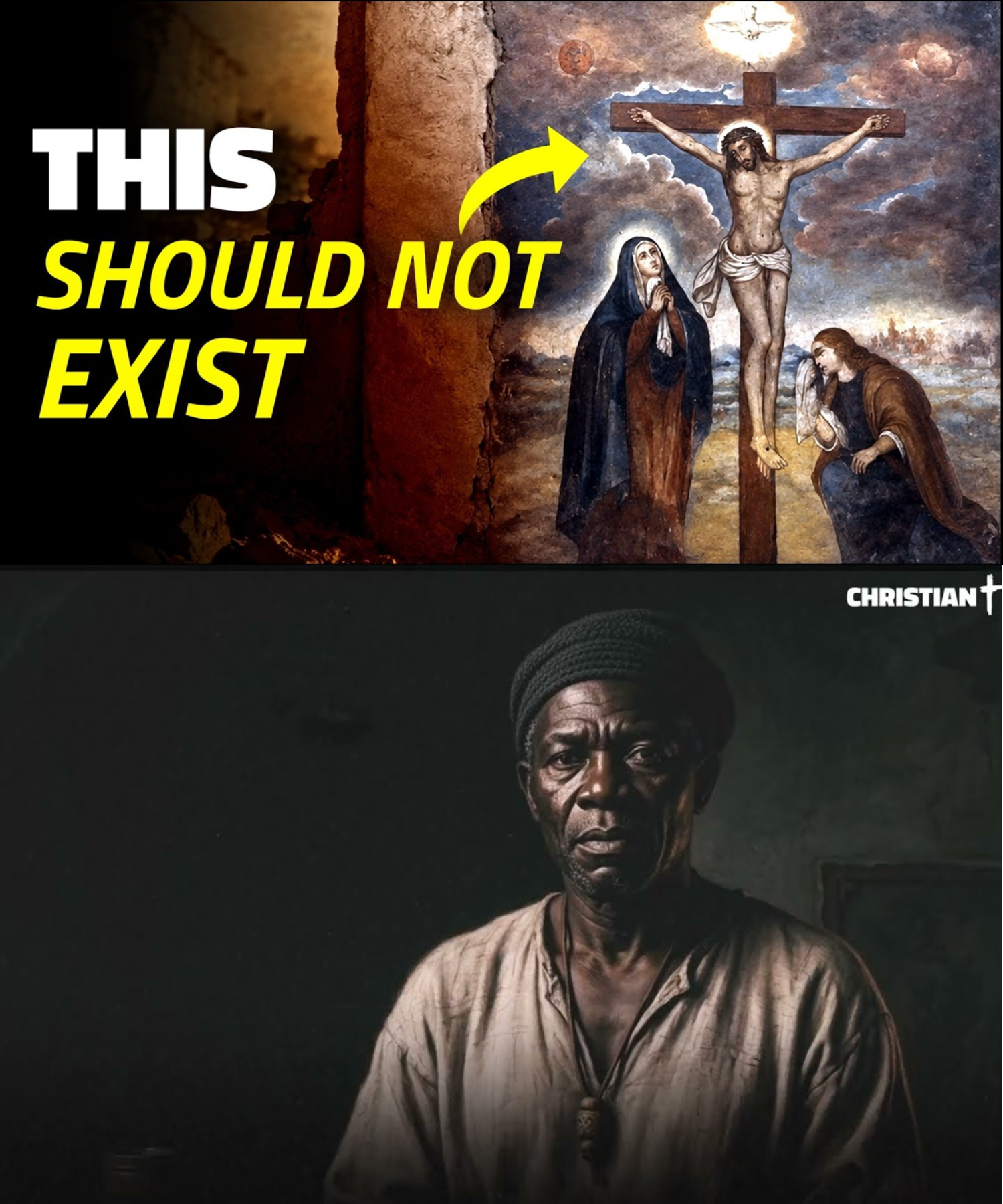
A centuries-old religious tradition in Peru has once again captured global attention after renewed interest in the story of the “Lord of Miracles” — a fragile mural painted by an enslaved African man that reportedly survived some of the most devastating earthquakes in recorded South American history.
The narrative, widely circulated in documentary-style storytelling and historical retrospectives, describes how a simple adobe wall in colonial Lima withstood repeated natural disasters that destroyed entire cities — transforming it into one of the most powerful symbols of faith in Latin America.
While believers view the phenomenon as miraculous, historians and skeptics emphasize the need to separate documented seismic survival from religious interpretation.
Still, the story continues to shape one of the largest annual religious processions in the world.
A Painting Born in the Shadows of Colonial Lima
The origin of the story begins in 17th-century Lima, then one of the wealthiest cities in the Spanish colonial empire.
Behind its wealth and architecture, however, lay a harsh reality: a large enslaved African population forced into labor under brutal conditions.
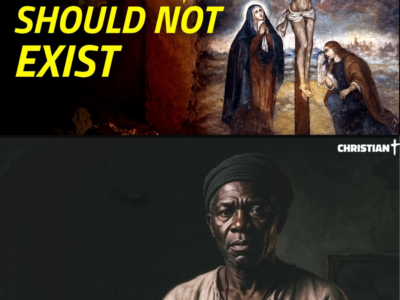
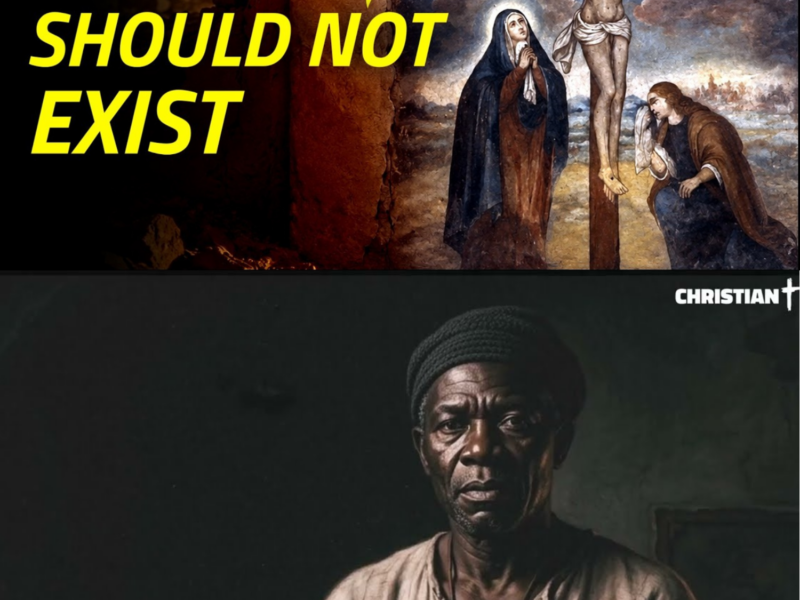
In a poor district known as Pachacamilla, an unnamed enslaved man — believed in some accounts to be from Angola — painted an image of Christ on a fragile adobe wall inside a humble meeting space used by the enslaved community.
Historical records do not preserve his identity. Some later traditions refer to him as “Benito” or “Pedro,” but his true name remains unknown.
The mural, painted in secrecy and devotion, became a focal point for prayer and community gathering among enslaved Africans seeking comfort in a society that denied them dignity.
The 1655 Earthquake: The First Unexplained Survival
On November 13, 1655, a powerful earthquake struck Lima and surrounding regions, collapsing buildings, churches, and residential areas across the city.
According to historical accounts, nearly every structure in the Pachacamilla district was reduced to rubble.
Yet the fragile adobe wall bearing the painted image of Christ reportedly remained standing — intact and uncracked.
This detail became the foundation of the mural’s growing reputation.
From a scientific perspective, adobe structures are among the least resistant building materials during seismic activity due to their lack of tensile strength and flexibility. They typically collapse more easily than stone or brick constructions.
The survival of a single wall under such conditions became a focal point of fascination for both believers and observers.
Attempts to Destroy the Image and Official Intervention
As word of the surviving mural spread, gatherings began forming around the site.
Poor residents, enslaved people, and the sick reportedly visited the wall to pray and seek comfort.
However, colonial authorities grew concerned that the gatherings could evolve into unrest or rebellion.
A formal order was eventually issued to destroy the painting and erase its growing influence.
What followed, according to historical and devotional accounts, became one of the most debated episodes in the story.
Workers tasked with removing the image reportedly experienced unexplained physical reactions — from paralysis-like symptoms to emotional distress and fear — leading them to abandon the attempt.
Eventually, the order was revoked, and the mural remained untouched.
The 1687 Earthquake and the First Procession
In 1687, another major earthquake struck Lima and the nearby port of Callao, followed by a tsunami that destroyed coastal communities.
Once again, the chapel built around the mural was destroyed.
Yet the original wall, according to accounts, remained standing amid the ruins.
In the aftermath of repeated disasters, local devotees began organizing public processions carrying replicas of the image through the streets.
This marked the beginning of what would become the “Purple Month” tradition — an annual religious procession in October that continues today, drawing hundreds of thousands of participants.
The 1746 Disaster: The Ultimate Test
The most catastrophic event in the narrative occurred on October 28, 1746, when a massive earthquake — estimated by modern researchers to approach magnitude 9 — struck coastal Peru.
The quake destroyed Lima and triggered a tsunami that devastated Callao, killing the majority of its population.
Historical estimates suggest more than 10,000 deaths in Lima alone, with entire districts leveled.
Yet again, the wall with the painted image reportedly survived without damage.
This repeated survival across three major seismic events became central to the mural’s legendary status.
Faith vs. Physics: Competing Interpretations
Skeptical interpretations emphasize that earthquake survival in isolated structures, while rare, is not impossible.
Seismic behavior can produce uneven destruction patterns, and some walls may remain standing due to structural orientation, soil composition, or chance.
However, the repeated survival of the same fragile adobe wall across multiple major earthquakes has led many to view the case as statistically unusual.
Believers interpret this pattern as miraculous preservation, while historians caution that selective memory and incomplete records from colonial-era disasters may influence perception.
The debate remains unresolved between faith-based interpretation and scientific caution.
The Forgotten Artist Behind the Image
Central to the narrative is the anonymous enslaved African man who created the original mural.
Historians note that enslaved Africans in colonial Peru were often erased from official documentation, leaving few records of individual identity.
His painting, however, survived centuries of earthquakes, censorship attempts, and political change.
In modern interpretations, this has become a powerful symbol of historical injustice — where a man without recorded identity left behind one of the most enduring religious symbols in Peru.
The Rise of a National Devotion
Over time, devotion to the Lord of Miracles expanded far beyond Lima’s poorest neighborhoods.
Today, millions participate in October processions, many dressed in purple robes, carrying replicas of the image through city streets.
The event is considered one of the largest religious gatherings in the world, blending Catholic tradition with deep cultural identity.
The procession is now recognized not only as a religious act but also as a national expression of resilience, memory, and unity.
Modern Reflection: History, Symbolism, and Meaning
The story continues to raise questions about how history and faith intersect.
For believers, the survival of the mural represents divine protection and a message of hope emerging from suffering and destruction.
For historians, it reflects the complex layering of oral tradition, colonial record-keeping, and cultural memory over centuries.
For anthropologists, it represents how communities transform historical trauma into collective identity through ritual and storytelling.
Conclusion: A Wall That Outlived Empires
More than 350 years after the first recorded earthquake, the mural of the Lord of Miracles remains preserved in Lima’s Church of the Nazarene.
Whether interpreted as miracle, coincidence, or cultural legend, the story has endured longer than the Spanish Empire that once ruled Peru.
It continues to attract millions of pilgrims each year and remains one of the most powerful religious symbols in Latin America.
And at the heart of it all remains a simple question that still divides interpretation:
How did a fragile wall of mud survive when everything around it fell?