Viral Philadelphia Sign Scandal Explodes Across America, Igniting Fierce Debate Over Free Speech, Antisemitism, and Online Consequences
Viral Philadelphia Sign Scandal Explodes Across America, Igniting Fierce Debate Over Free Speech, Antisemitism, and Online Consequences
A controversy that began inside a Philadelphia establishment has exploded into a national firestorm, after a provocative anti-Jewish sign, a viral social media backlash, and a furious online response pulled America’s deepest cultural tensions back into the spotlight.
The incident, first amplified online by Barstool Sports founder Dave Portnoy and then debated by major social media personalities, has become more than another viral outrage cycle. It has turned into a brutal argument over free speech, antisemitism, accountability, the Israel-Gaza war, and whether political anger has crossed into open hatred against Jews.
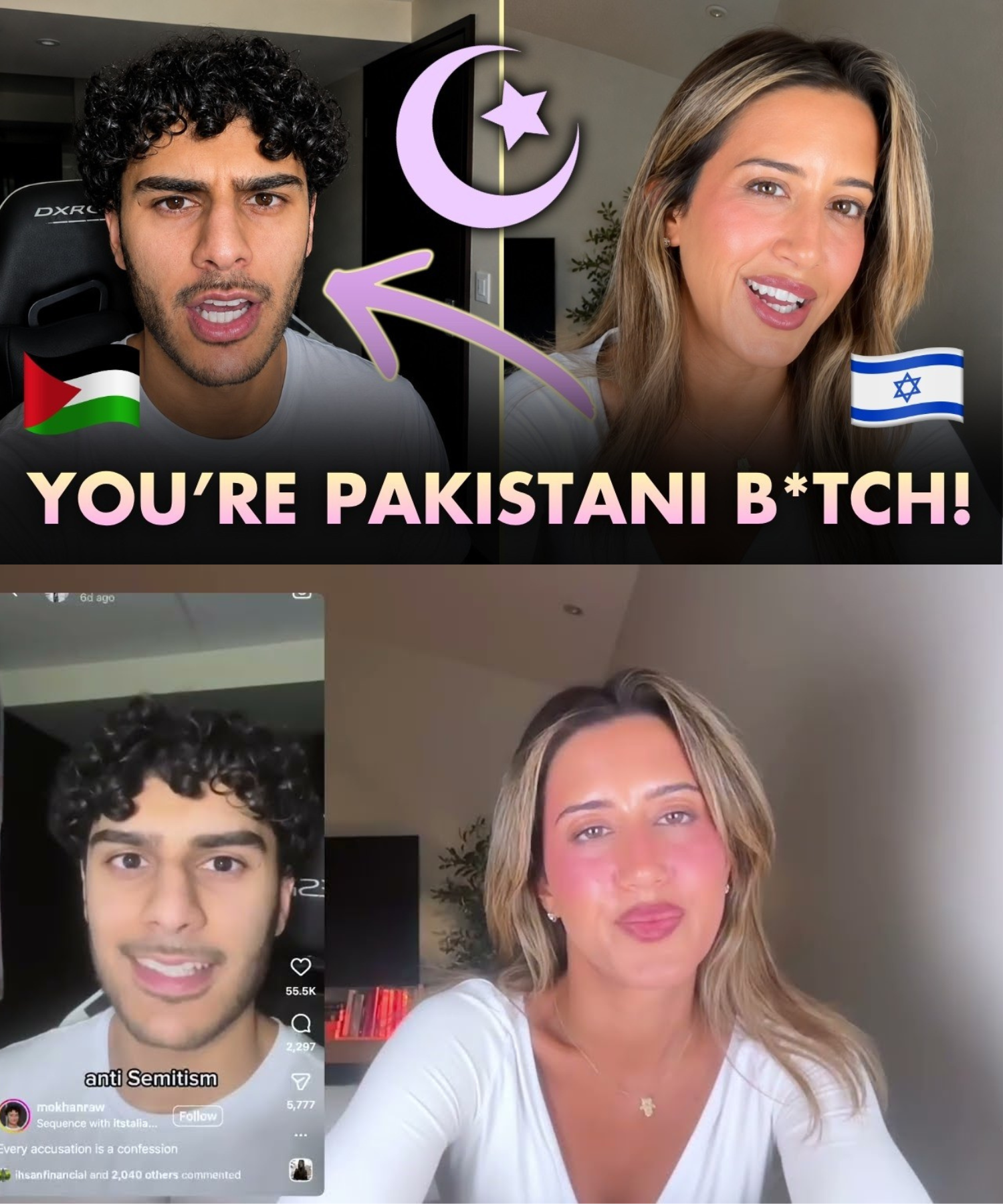
At the center of the controversy is a young man who appeared in connection with a sign containing an obscene anti-Jewish message. In a later statement, he insisted he had not created the sign and claimed the situation had been sensationalized to millions of people online. He argued that he was being punished over what he described as an “edgy joke,” saying that people were more focused on destroying his life than on suffering overseas.
That defense did not calm the backlash. It intensified it.
Critics immediately rejected the idea that the sign could be brushed aside as a joke. They argued that there is a clear difference between criticizing the Israeli government and targeting Jews as a people. To them, the wording of the sign was not political commentary. It was antisemitism, plain and direct.
That distinction became the emotional center of the debate.
Across American social media, one question dominated the conversation: When does anti-Israel speech become anti-Jewish hate?
Supporters of the young man argued that public anger over Gaza has pushed many Americans, especially younger activists, into confrontational language. They claimed the backlash was excessive and warned that powerful influencers can ruin private citizens by turning isolated moments into global scandals.
But Jewish commentators and their allies said the issue could not be dismissed as a mistake or a joke. They argued that the phrase on the sign did not mention a government, a prime minister, a military campaign, or a policy. It targeted Jews. For many Jewish Americans, that line was impossible to ignore, especially at a time when antisemitic incidents, online threats, and campus confrontations have left communities feeling exposed.
The controversy soon widened when a pro-Israel commentator reacted to the young man’s defense in a blistering video. Her response accused him of hiding antisemitism behind humanitarian language and using Gaza as a shield for anti-Jewish rhetoric. The video was sharp, emotional, and deeply personal. It also sparked its own criticism because of its aggressive tone and sweeping comments about identity, victimhood, and the Israel-Palestine conflict.
That second wave of outrage revealed another layer of the American divide.
Some viewers praised the commentator for refusing to soften her words. They said too many people use slogans about justice while tolerating hatred against Jews. Others said her response went too far, warning that anger over antisemitism should not become an excuse to insult entire national, religious, or ethnic communities.
Civil rights advocates urged caution. They argued that antisemitism must be confronted clearly, but that no controversy should be used to attack Muslims, Pakistanis, Palestinians, or any other group as a whole. One ugly sign, they said, should be treated as one ugly act — not as proof against millions of people.
Still, the emotional force of the moment was undeniable.
The Philadelphia incident landed in a country already on edge. Since the war in Gaza began, American universities, city councils, newsrooms, churches, and workplaces have been pulled into fierce arguments over Israel, Hamas, Palestinian suffering, Jewish safety, and the boundaries of protest. Demonstrations have filled campuses. Donors have pressured universities. Politicians have demanded investigations. Students have accused administrators of silence, censorship, or bias depending on which side they support.
Into that atmosphere came a sign with a message so crude and direct that it could not be easily explained away.
That is why the story spread so quickly.
For Jewish Americans, the sign felt like confirmation of a growing fear: that some activists no longer separate Jews from the state of Israel, and that old hatred is being repackaged in the language of modern politics. For pro-Palestinian activists, the reaction raised a different concern: that criticism of Israel can be swiftly labeled antisemitic, even when people are trying to draw attention to civilian suffering.
But in this case, even some critics of Israel said the sign crossed a bright red line. They argued that a person can condemn Israeli policy, mourn Palestinians, demand a ceasefire, or criticize Zionism without using language aimed at Jews as a people.
The incident also reopened the debate over consequences in the digital age.
The young man at the center of the controversy claimed that Portnoy’s enormous platform turned a local incident into a global story. That claim resonated with some Americans who worry about mob justice and online humiliation. In today’s media environment, a video can spread to millions before facts are fully known. Employers, schools, friends, and strangers can all react within hours. A person can become nationally infamous overnight.
But others pushed back, saying public behavior in public spaces can bring public consequences. Free speech, they argued, does not mean freedom from criticism, loss of reputation, or removal from private establishments. In America, the First Amendment protects citizens from government punishment for speech. It does not guarantee that a bar, employer, audience, or online community must excuse hateful messages.
That distinction became one of the clearest legal points in the debate.
A private business can remove someone. A public figure can criticize someone. Viewers can condemn someone. The government, however, faces far stricter limits when punishing speech. That is why the controversy sits in a gray zone between legal freedom and social consequence.
The political reaction has been just as intense. Conservative commentators used the incident as evidence that antisemitism has grown more open in activist spaces. Liberal commentators were split, with some condemning the sign unequivocally and others warning against turning a single viral moment into a broader campaign against pro-Palestinian speech.
Religious leaders also weighed in. Some Jewish leaders said the incident showed why their communities feel increasingly unsafe. Some Muslim leaders condemned anti-Jewish hatred while also warning against Islamophobia and collective blame. Interfaith organizers called for a return to moral clarity: defend Palestinians without demonizing Jews, and defend Jews without dehumanizing Palestinians.
That message, however, struggled to break through the noise.
The internet rewards fury. It rewards clips, insults, takedowns, and humiliation. In this case, a single sign inside a Philadelphia establishment became a national argument because it touched every exposed nerve in American public life: race, religion, war, free speech, immigration, identity, and power.
By the end of the viral storm, the original question remained unresolved.
Was this a free speech controversy, an antisemitism scandal, an online mob story, or another symptom of America’s collapsing ability to discuss the Middle East without turning neighbors into enemies?
The answer may be all of them.
What is certain is that the Philadelphia sign did not disappear quietly. It became a warning about how quickly political rage can mutate into group hatred, and how quickly one ugly moment can become a national battleground.
In a country already divided by war abroad and anger at home, the scandal revealed a painful truth: America is not only arguing about Israel and Gaza.
It is arguing about what kind of speech a free society can survive — and what kind of hatred it must refuse to normalize.