Viral Kenya Encounter Sparks Fierce Debate Over Racism, Identity, and the “Reality of the West”
Viral Kenya Encounter Sparks Fierce Debate Over Racism, Identity, and the “Reality of the West”
New York — A viral video claiming that an American woman moved to Kenya to escape racism in the United States — only to face an unexpected cultural backlash — has ignited a fierce debate across social media about race, identity, and how Black Americans are perceived abroad.
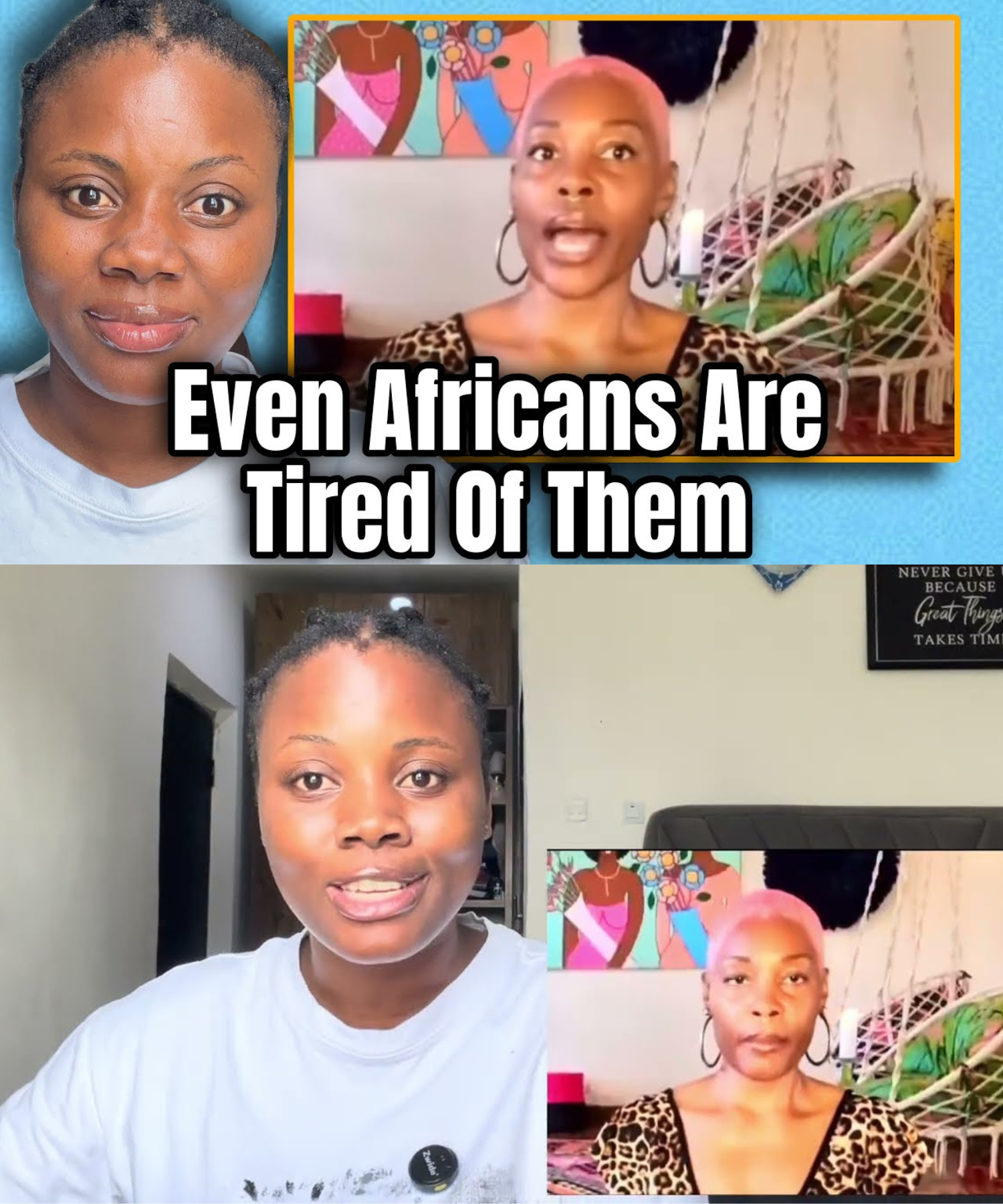
The footage, widely circulated by commentary channels, shows the woman describing her experience in Kenya as far more complicated than she expected. She says she arrived hoping to find relief from what she perceived as racism in America. Instead, she claims she encountered confusion, distance, and even skepticism from some locals who questioned her presence, her identity, and her expectations.
The clip quickly exploded online.
Supporters of the commentary argue that the video reveals a deeper global reality: that African countries are not isolated from global perceptions shaped by social media. Critics, however, say the framing dangerously generalizes entire communities and turns a complex cultural interaction into a simplified moral story about “who wants whom” across continents.
At the center of the controversy is a claim made in the commentary: that Africans are widely exposed to viral content from the United States and form opinions about Black Americans based on online behavior, media clips, and viral incidents. According to the narrator, this exposure creates stereotypes that sometimes influence real-life interactions when diasporic communities travel or relocate abroad.
That argument has sparked backlash from many who say it dangerously flattens both African societies and Black American identity into a single online caricature.
In the video, the woman describes being surprised that locals in Kenya did not respond with automatic admiration or excitement. Instead, she says some reacted with curiosity or distance, and in some interpretations, disappointment or confusion about her expectations. The narrator frames this as a “wake-up call,” suggesting that assumptions about Africa as a place of automatic cultural acceptance or romantic refuge from Western racism are often unrealistic.
That framing has become the most controversial element of the viral clip.
Critics argue that it feeds into a long-standing trope: that Africa is a monolith, or that African societies exist primarily as symbolic “alternatives” to Western racial struggles. Scholars and commentators have repeatedly warned that such narratives erase the diversity of African nations, languages, histories, and social dynamics.
Others say the video is less about Africa itself and more about expectations formed in Western discourse.
In the United States, discussions about racism, identity, and belonging often extend into global imagination. Social media has created a feedback loop where clips of discrimination, police encounters, activism, and cultural conflict circulate rapidly, shaping perceptions far beyond the original context. For some individuals, this leads to a belief that relocating abroad — even to entirely different cultural environments — might provide emotional or social relief.
But the video suggests a more complicated reality.
According to the commentary, African communities are increasingly aware of global online behavior, including negative stereotypes about Black Americans. The narrator claims that this awareness can influence how diaspora visitors are perceived, even when those visitors believe they are returning to a shared cultural or racial home.
This claim is highly disputed, but it reflects a growing tension in global Black identity politics: the idea that race does not erase cultural distance.
Not all Black experiences are the same.
Not all African societies interpret identity through the same lens as African-American communities.
And not all expectations of solidarity translate across borders.
The video also briefly addresses another sensitive theme: internal criticism within the Black diaspora itself. The narrator argues that negative stereotypes created online by certain individuals can affect how entire communities are perceived internationally. This claim has sparked strong reactions, with critics accusing the commentary of amplifying divisive narratives and unfairly generalizing behavior across millions of people.
Supporters, however, say the issue is not about blame but visibility — that viral content travels globally and shapes perceptions regardless of whether it reflects the majority.
The most contentious section of the video comes when the narrator suggests that Africans may sometimes feel cautious or skeptical toward Western Black visitors due to exposure to online behavior. This assertion has been widely condemned by scholars and activists who argue that it risks reinforcing harmful stereotypes and ignoring the realities of hospitality, cultural exchange, and economic inequality that shape interactions in African countries.
At the same time, the video has resonated with audiences who feel that conversations about race in the West often ignore how those conversations are perceived outside the United States.
In America, discussions about racism tend to be inward-facing — focused on history, policing, inequality, and institutional structures. But the viral clip forces a different question: how are those narratives understood globally, and what happens when they collide with other cultural frameworks?
The answer, according to sociologists, is complicated.
Globalization has created shared media spaces but not shared interpretations. A video that signals injustice in one country may signal something entirely different elsewhere. A personal story about escaping racism may be received not as a universal experience but as a culturally specific narrative that does not automatically translate across borders.
That gap is where misunderstandings form.
The Kenyan reaction described in the video — whether real, exaggerated, or selectively interpreted — has become a symbol of that gap. To some viewers, it represents the uncomfortable truth that cultural identity does not reset at national borders. To others, it reflects a harmful tendency to reduce African societies to reactive audiences in Western racial debates.
What makes the story particularly viral is not just what happened, but what people believe it means.
For some, it confirms the idea that America’s racial narratives dominate global perception but are not universally shared.
For others, it exposes how social media can distort expectations of belonging, identity, and acceptance when individuals move across cultural boundaries.
For many observers, it is simply another example of how online commentary increasingly turns complex human experiences into simplified moral lessons.
The woman at the center of the video is largely silent in follow-up analysis, while commentators continue to interpret her experience in competing ways.
Was it a misunderstanding of cultural expectations?
Was it a confrontation with global perception of Black identity?
Or was it simply a personal experience being reshaped into viral content?
Those questions remain unresolved.
But the debate itself reveals something clearer: in the age of global social media, identity does not travel alone. It arrives already interpreted, already judged, and already filtered through millions of prior images, clips, and narratives.
And once that happens, even a personal journey to “escape racism” can become something far more complicated — a global conversation about who is seen, who is understood, and who gets to define the story in the first place.