Muslim Exodus Fears Ignite U.S. Debate as Rising Islamophobia in Britain Becomes Warning Sign for America
Muslim Exodus Fears Ignite U.S. Debate as Rising Islamophobia in Britain Becomes Warning Sign for America
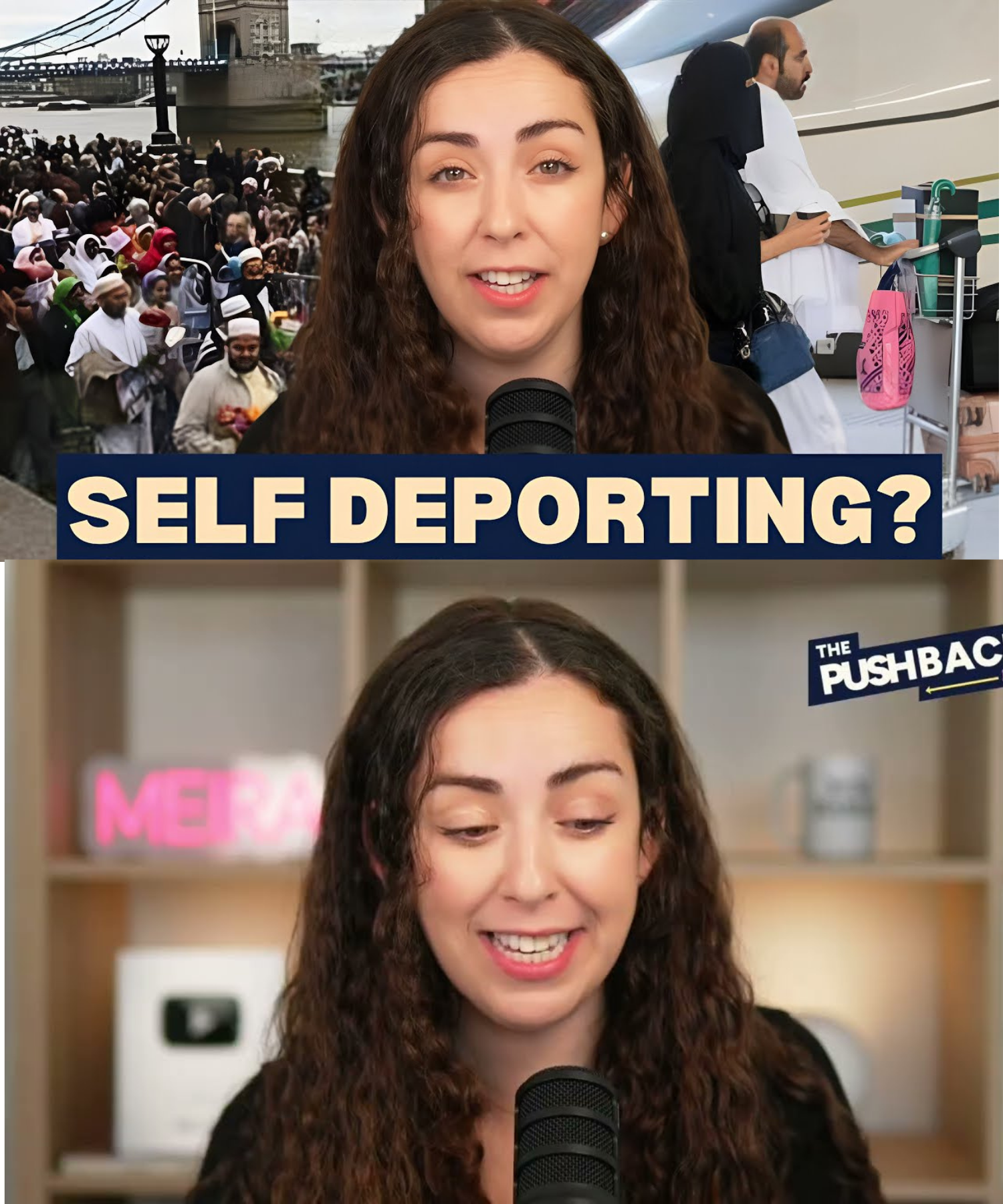
A fierce new debate over Muslims, immigration, national identity, and religious freedom is spreading through American political circles after viral commentary from the United Kingdom claimed that growing numbers of British Muslims are considering leaving the country because they no longer feel safe or welcome.
The issue began with a striking claim: one in three Muslims in Britain has considered leaving the UK amid rising Islamophobia and hostility. For Muslim families, the concern is deeply personal. Some say mothers, wives, daughters, and sisters who wear hijabs, niqabs, or abayas increasingly feel exposed in public. Others say the fear is broader — a sense that political rhetoric, street protests, online hate, and anti-immigration anger have made Muslim identity feel like a target.
But on the other side of the argument, right-wing commentators are responding with open contempt. They argue that what Muslims call Islamophobia is, in many cases, simply a growing public awareness of Islamism, Sharia politics, failed integration, and cultural tension. In their view, Britain is not becoming dangerous because ordinary citizens hate Muslims. It is becoming tense because many native Britons believe their country has ignored concerns about immigration and religious separatism for too long.
That collision is now reaching American audiences.
In the United States, where debates over immigration, Islamophobia, border control, religious liberty, and national identity have shaped elections for years, the British controversy is being treated as a warning. To Muslim civil rights groups, it shows what happens when political leaders allow suspicion of an entire religious community to become normalized. To immigration hardliners, it shows what happens when Western governments refuse to confront ideological movements that reject liberal democracy.
Both sides believe they are seeing the future.
The viral commentary at the center of the debate framed the issue in stark terms. It argued that Muslims who want to live under Islamic law should move to countries where that system already exists rather than demanding accommodation in Western nations. The commentator rejected the idea that criticism of Islamism should automatically be labeled racism or bigotry, saying many citizens are tired of being shamed into silence for raising concerns about Sharia law, gender norms, segregation, extremism, and political organizing.
But critics say that argument quickly crosses a dangerous line.
They warn that the language often slides from criticizing Islamism — a political ideology — into demonizing Muslims as a whole. That distinction matters. A Muslim doctor in Birmingham, a hijab-wearing student in Manchester, a taxi driver in London, a mother in Belfast, or a British-born child in a state school is not responsible for extremist groups, foreign governments, or online activists. Treating an entire religious minority as a hostile force, critics argue, creates exactly the climate of fear that makes people want to leave.
That is why the debate has become so explosive.
It is not simply about whether some Muslims are considering emigration. It is about whether a Western democracy can defend national culture and criticize religious extremism without turning millions of ordinary believers into suspects.
In Britain, Muslim community leaders have reported vandalism, verbal abuse, harassment, and fears around public visibility. Some Muslim women say they have changed routines or become more cautious about traveling alone. Parents worry about children growing up under a cloud of suspicion. The fear is not abstract when people believe their clothing, names, mosques, or accents can make them targets.
At the same time, critics of immigration policy point to violent protests, grooming gang scandals, terror attacks, free speech controversies, and neighborhood tensions as proof that many Britons have not been imagining the problem. They argue that for years, ordinary citizens were told not to speak openly because any criticism of Islam or immigration would be branded hateful. Now, they say, the public backlash is the inevitable result of political suppression.
That argument is gaining traction among some American conservatives.
They see Britain as a preview of what the United States could become if leaders ignore public concerns over migration, assimilation, radical ideology, and parallel legal expectations. In American media, the British story is already being folded into a wider debate over whether the West has been too afraid to defend its own civic identity.
But American Muslim groups hear a different alarm.
For them, the danger is not that Muslims are “taking over.” The danger is that fear-based politics can make an entire community feel unwanted. They point to the years after 9/11, when Muslim Americans faced surveillance, suspicion, hate crimes, airport profiling, workplace discrimination, and political demonization. Many remember being told to prove their loyalty again and again, no matter how American they were.
That memory shapes the U.S. reaction.
America has a long constitutional tradition of religious freedom. A Muslim has the right to build a mosque, wear a hijab, pray, run for office, criticize government policy, and raise children in faith. A Christian has the same right. So does a Jew, Hindu, Sikh, atheist, or anyone else. The American model does not require citizens to abandon religion in order to belong.
But that freedom also has limits.
No religious group can override civil law. No private doctrine can replace criminal law. No ideology can demand violence, coercion, or separate legal authority over American citizens. That principle is where the American debate becomes sharper: religious liberty must protect believers, but it cannot become a shield for extremism.
The British controversy forces America to confront the same balancing act.
How does a country distinguish between Muslims and Islamists? How does it protect Muslim citizens from bigotry while still confronting radical movements that may emerge inside Muslim communities? How does it preserve free speech so people can criticize religion without encouraging hatred toward religious people? How does it enforce assimilation without erasing identity?
There are no easy answers.
But the emotional force of the issue is clear. When one side hears “Muslims are considering leaving,” it hears pain, fear, and exclusion. When the other side hears the same sentence, it hears confirmation that public pressure is finally working against those they view as hostile to Western values.
That is the dangerous divide.
A healthy society should not celebrate innocent families feeling unsafe. It also should not silence citizens who have legitimate concerns about extremism, integration, or national cohesion. The failure comes when both sides refuse to separate ordinary people from political movements, or real prejudice from serious criticism.
Now American observers are watching closely.
If Britain becomes a place where Muslims feel they cannot belong, that is a warning about social breakdown. If Britain becomes a place where citizens feel they cannot defend their own laws and culture without being branded hateful, that is also a warning.
The story is not just about Muslims leaving the UK.
It is about the West asking whether pluralism can survive when trust collapses.
And in America, where the same arguments are never far from the surface, the answer may shape the next generation of politics.