Fiery Sermon Rocks America as Pastor Warns Christians That Hating Trump Is “Walking in Darkness”
Fiery Sermon Rocks America as Pastor Warns Christians That Hating Trump Is “Walking in Darkness”
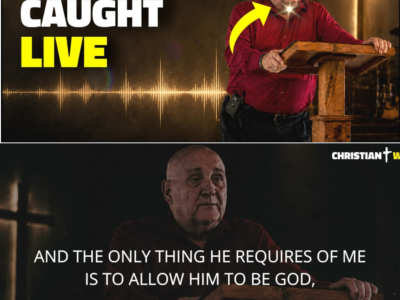
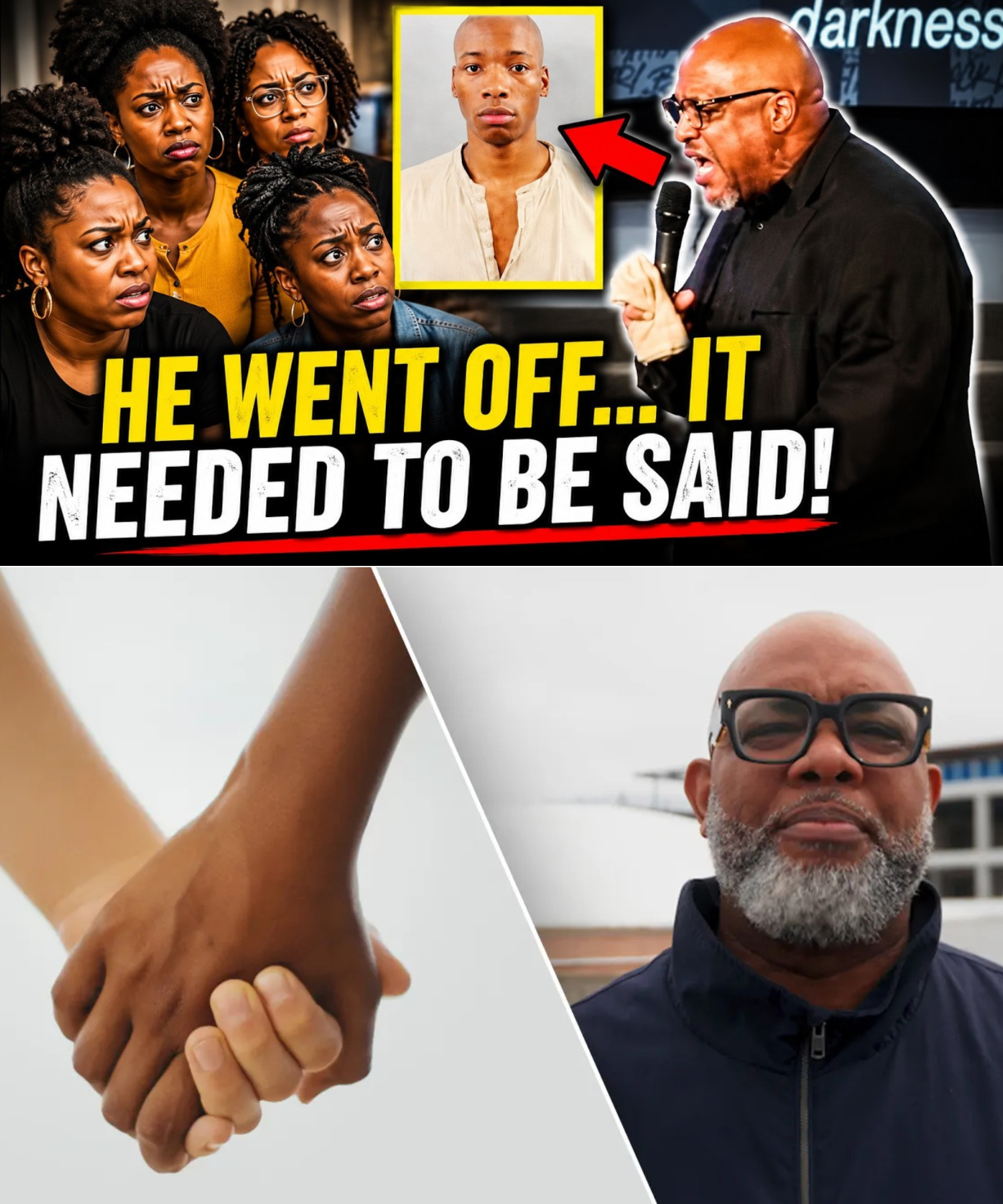
A thunderous sermon from pastor and cultural commentator G. Craig Lewis has ignited a new firestorm inside America’s already divided church world, after he accused politically driven Christians of letting hatred, racial grievance, and partisan rage replace the commands of Scripture.
The message was not soft. It was not diplomatic. It was not designed for people who want Sunday morning religion wrapped in polite language and comfortable silence. It was a direct attack on what Lewis described as a spiritual crisis inside American Christianity — especially among believers who claim to follow Jesus while publicly wishing harm on political enemies.
At the center of the sermon was one name: Donald Trump.
Lewis made clear that he does not agree with everything Trump says or does. He called the former businessman and current president unpredictable, even “wild” in his own words. But he said disagreement is not the same thing as hatred. For Christians, he argued, there is a biblical line that cannot be crossed.
“You cannot pray for people you hate,” he warned.
That sentence has become the heart of the controversy.
In a country where politics has become almost religious and religion has become increasingly political, Lewis’ message landed like a bomb. He accused some church leaders of celebrating assassination attempts, wishing death on Trump, and using the language of racial justice or social justice to disguise spiritual darkness. In his view, Christians who cheer for death are no longer operating under the Holy Spirit, because the first fruit of the Spirit is love.
The sermon was especially explosive because Lewis aimed much of his criticism at Black church culture, Black political activism, and movements he believes have turned parts of the community away from biblical accountability. He argued that racial grievance, activist messaging, occult spirituality, and online outrage have merged into a toxic force that encourages people to blame others for every failure instead of confronting their own choices.
Those claims are deeply controversial.
Supporters say Lewis is saying what many pastors are too afraid to say: that the church cannot preach forgiveness on Sunday and then celebrate violence on Monday. They argue that he is calling believers back to personal responsibility, biblical obedience, prayer for leaders, respect for authority, and rejection of mob thinking.
Critics will hear something very different. They will say his language is too sweeping, too harsh, and too dismissive of real racial pain, real historical injustice, and real ongoing inequalities. Some will argue that he risks turning legitimate social concerns into spiritual accusations. Others will object to his claims about witchcraft and demonic influence, calling them inflammatory and impossible to prove.
But nobody can deny the sermon struck a nerve.
America’s church is no longer simply divided by denomination. It is divided by politics, race, media consumption, class, and competing versions of justice. In many congregations, Trump is not just a politician. He is a symbol. For some, he represents national restoration, religious freedom, and resistance to progressive power. For others, he represents danger, division, arrogance, and pain.
Lewis stepped directly into that battlefield and told Christians on all sides to stop pretending hatred is holiness.
His argument was simple: if Trump claims Christianity, then Christians must treat him as a brother who needs prayer, correction, grace, and intercession. Even if a believer doubts the depth of Trump’s faith, Lewis said the Bible still commands prayer for those in authority. Hatred, assassination fantasies, and public celebration of danger are not Christian responses.
That point has become increasingly relevant in America after multiple acts of political violence and threats against public figures. The country has watched assassination attempts, online death wishes, street confrontations, and viral clips where politics no longer looks like disagreement but spiritual possession. Lewis used that exact framework. He described hatred as a blinding force that makes people lose perspective, lose compassion, and lose the ability to see others as human.
The sermon also moved beyond Trump.
Lewis connected political hatred to a broader rejection of authority. He criticized viral videos of people refusing to comply with police during routine stops, demanding supervisors, escalating minor encounters, and then acting shocked when they are arrested. To him, this is not only a legal problem. It is a spiritual posture: contempt for government, rules, authority, and accountability.
He tied that theme to Scripture, warning that people who despise authority and speak recklessly against leaders are moving in dangerous territory. He argued that modern media has trained Americans to “pick a side” instantly, even before facts are known. Instead of asking what is true, people ask which side benefits their political tribe.
That, Lewis suggested, is how darkness spreads.
The most combustible part of the message came when he discussed Black Lives Matter and racial blame. He accused the movement of encouraging many Americans to view personal failure and community dysfunction entirely through the lens of white oppression. He did not deny that slavery happened or that history matters. But he argued that modern Americans are not enslaved and should not use the past as an excuse to reject accountability in the present.
This is where the sermon will be most polarizing.
In one sense, Lewis’ message echoes a long tradition of Black conservative and Christian moral critique: family breakdown, promiscuity, bad choices, crime, resentment, and cultural decay cannot all be blamed on outside forces. In another sense, his critics will say he oversimplifies the lingering effects of discrimination, poverty, segregation, policing disparities, and generational trauma.
The power of the sermon is that it refuses to speak in academic language. It is street-level, pulpit-level, emotionally charged, and confrontational. Lewis is not writing a policy paper. He is trying to shock believers awake.
And that is exactly why the clip is spreading.
For many Christian viewers, the sermon captures what they see as the great hypocrisy of modern faith: believers who speak of love but feed on hatred, pastors who preach justice but ignore sin, activists who demand accountability from institutions but reject it in their own lives, and church leaders who can pray loudly in public but cannot pray honestly for a president they dislike.
For others, it will feel like an attack.
That split reveals the deeper crisis.
American Christianity is now fighting over what love means in a political age. Does love require confronting destructive behavior inside one’s own community? Does love require defending people who have been harmed by systems? Does love require praying for leaders one dislikes? Does love forbid hatred even when the person hated feels dangerous?
Lewis’ sermon answers with no hesitation.
Yes.
You can oppose Trump’s policies without wishing him dead. You can care about racial justice without surrendering to bitterness. You can remember slavery without becoming imprisoned by blame. You can criticize government without despising all authority. You can be angry without becoming possessed by anger.
That is the message now shaking the internet.
Not because everyone agrees with Lewis.
But because America knows the hatred he is talking about is real.
It is in comment sections. It is in pulpits. It is in political rallies. It is in activist circles. It is in family dinners. It is in churches where people lift hands in worship while secretly hoping God destroys their enemies.
Lewis’ warning is brutal, but clear:
A church that hates its enemies more than it loves Christ is not resisting darkness.
It is walking in it.