BBC Report on Afghan Fathers Selling Daughters Triggers Firestorm Across America Over Media Framing and Moral Collapse
BBC Report on Afghan Fathers Selling Daughters Triggers Firestorm Across America Over Media Framing and Moral Collapse
A BBC report about starving Afghan families has erupted into a furious media controversy in the United States, after critics accused the broadcaster of framing fathers who sell young daughters into child marriage as tragic men “forced to make impossible choices,” rather than centering the girls whose lives are being traded away.
The story, set in Afghanistan’s impoverished Ghor province, was intended to expose hunger, debt, unemployment, and the collapse of aid under Taliban rule. Instead, it has triggered an explosive backlash from American commentators, women’s rights advocates, conservatives, and media critics who say the real horror was buried beneath soft language.
The outrage began with a headline that sounded humanitarian: fathers, poverty, impossible choices, survival. But inside the report were details that shocked readers: a father saying he was prepared to sell one of his seven-year-old twin daughters, another case involving a five-year-old girl sold to relatives after her family could not pay for medical treatment, and families living on bread and hot water while children died of hunger and lack of medicine.
For many Americans, the story was devastating enough on its own. But the anger came from the framing.
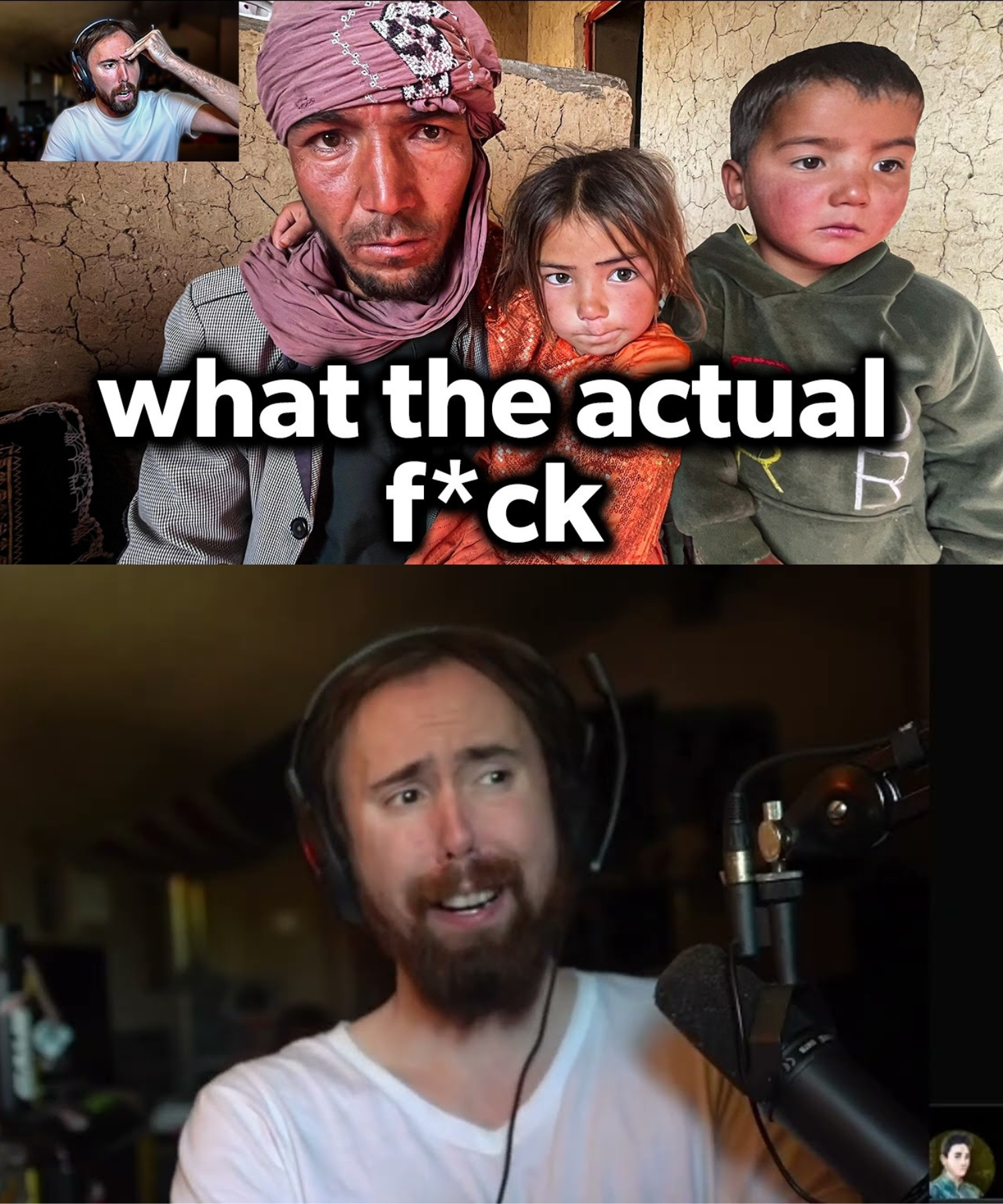
Online critics argued that the report appeared to devote extraordinary sympathy to the fathers, their tears, their desperation, their hunger, and their emotional torment — while the girls themselves remained almost silent. The children at the center of the story became symbols rather than voices. Their futures were described through adult decisions made around them, not through their own suffering.
That is what ignited the firestorm.
Across social media, the question repeated again and again: why is the story centered on the men selling the girls, rather than the girls being sold?
The report describes desperate economic conditions in Afghanistan. Men gather before dawn hoping for work. Many return home empty-handed. Hospitals struggle. Aid has dried up. Families sink deeper into debt. Children go hungry. Mothers watch babies weaken. In one of the poorest provinces in the country, survival itself has become a daily battle.
No serious observer denies that crisis.
But critics say poverty cannot be allowed to erase moral responsibility. Hunger explains desperation, they argue. It does not turn a little girl into property. It does not make child marriage acceptable. It does not remove the need to ask who is buying these girls, why the practice persists, and what kind of system allows adult men and families to treat children as financial solutions.
That missing question became the heart of the American backlash.
Who are the buyers?
Why are they not named, examined, or morally confronted?
Why is the language of “survival” allowed to soften what many critics describe as child exploitation?
To many readers, the phrase “selling children” itself seemed misleading. The cases highlighted overwhelmingly involved daughters — young girls being promised or transferred into future marriages. Critics argued that this is not a gender-neutral tragedy. It is a crisis aimed at girls, enabled by poverty, patriarchy, and social customs that give fathers power over daughters’ futures.
That distinction matters.
If a father sells a daughter so that sons can eat, the story is not only about hunger. It is about gender. It is about power. It is about whose body becomes currency when a family collapses. It is about why girls pay the price first.
American women’s rights voices were especially furious. Some accused Western media outlets of applying a dangerous double standard: condemning abuse clearly when it happens in Western societies, but softening the language when similar abuse occurs under the banner of poverty, tradition, or cultural complexity abroad.
That criticism has revived an old argument in American journalism: where is the line between explaining a crisis and excusing behavior?
Good reporting requires context. A father facing starvation is not the same as a wealthy trafficker. A collapsing country is not a normal marketplace. Desperation changes human choices in terrifying ways. But critics say context becomes dangerous when it shifts moral attention away from victims and toward perpetrators.
The BBC report tried to show a devastated society where families are choosing between hunger, debt, illness, and irreversible decisions. But for many readers, the emotional camera was pointed in the wrong direction.
The fathers weep.
The fathers explain.
The fathers are interviewed.
But the girls are the ones being sold.
That imbalance has turned one humanitarian report into a national argument inside the United States, where media trust is already fragile. Conservative commentators seized on the story as evidence that elite media institutions are too willing to sanitize practices they would otherwise condemn. Feminist critics argued that the article revealed how easily girls disappear inside stories told by men. Immigration hardliners used the controversy to warn against importing social customs that conflict with Western ideas of childhood, consent, and women’s rights.
That last reaction has created its own controversy.
Civil rights advocates warn that anger over child marriage should not become a weapon against Afghan refugees or Muslim communities broadly. Many Afghans, including women’s activists, journalists, and families who fled Taliban rule, oppose child marriage and have suffered under the same systems being criticized. They say the moral failure belongs to poverty, extremism, patriarchal power, and institutions that abandon girls — not to an entire people.
Still, the BBC controversy has struck a raw nerve because Americans are tired of language that feels sanitized. They want moral clarity. They want child exploitation called child exploitation. They want journalism that does not hide the central victim behind the suffering of the adult making the decision.
The deeper tragedy is that Afghanistan’s humanitarian collapse is real. Millions face hunger. Aid cuts have consequences. Taliban restrictions have devastated women’s work, education, and mobility. Hospitals are overwhelmed. Families are drowning in debt. Children are dying.
But none of that changes the central moral fact: a little girl is not a survival strategy.
She is not a debt payment.
She is not a bargaining chip.
She is a child.
That is why the report went viral in America. Not because people deny Afghan poverty, but because they object to any framing that makes the sale of daughters sound like a tragic but understandable household decision rather than a violation that should horrify the world.
The most powerful journalism does not ask readers to choose between compassion and judgment. It demands both. Compassion for starving families. Judgment against systems that turn girls into currency. Compassion for a collapsing country. Judgment against men who buy children. Compassion for suffering parents. Judgment against any culture, policy, or power structure that normalizes the disappearance of a child’s future.
The scandal has now become bigger than one BBC headline.
It is about whether Western media can still name evil clearly when poverty, culture, gender, and geopolitics collide.
And for millions watching from America, the answer must be simple.
No crisis is so severe that a child’s body becomes a marketplace.
No headline should ever make that sound normal.