Viral “Fired Over TikTok” Compilation Ignites U.S. Firestorm Over Workplace Chaos, Online Shame, and the Collapse of Professional Boundaries
Viral “Fired Over TikTok” Compilation Ignites U.S. Firestorm Over Workplace Chaos, Online Shame, and the Collapse of Professional Boundaries
New York — A fast-spreading online compilation of Americans losing jobs, careers, reputations, and public sympathy after posting reckless videos has triggered a fierce national debate over one brutal question: when did social media become a courtroom, an employer, and a public execution platform all at once?
The viral video stitches together a chaotic series of workplace scandals — restaurant workers mocking customers, healthcare employees oversharing private situations, teachers filming provocative classroom content, airline passengers clashing over dress codes, and professionals insisting they were punished not for misconduct, but for being misunderstood.
For some viewers, the footage is proof that accountability has finally arrived for a generation that confuses “content creation” with real life. For others, it reflects a disturbing new economy of humiliation, where one bad post can destroy a livelihood overnight.
Either way, the clips have hit a nerve across the United States.
The Chili’s Worker Who Warned Her Boss — Then Got Fired
The compilation opens with a restaurant worker joking online about customer requests at Chili’s, mocking everything from lemon water to steak preparation and dirty bathrooms.
The clip becomes instantly infamous because the worker begins by warning managers to “keep scrolling” if they see the video. They apparently did not.
Soon after, she says she was fired.
That opening moment became the perfect symbol of the entire controversy: employees posting public videos about their jobs, customers, or coworkers, then appearing shocked when management treats those videos as workplace misconduct.
Labor experts say the lesson is simple but unforgiving. If a worker publicly mocks customers while identifying their workplace, the company may see reputational damage, whether the post was intended as comedy or not.
In today’s America, a phone camera can turn a bad shift into a career-ending receipt.
Healthcare Workers and the Privacy Line
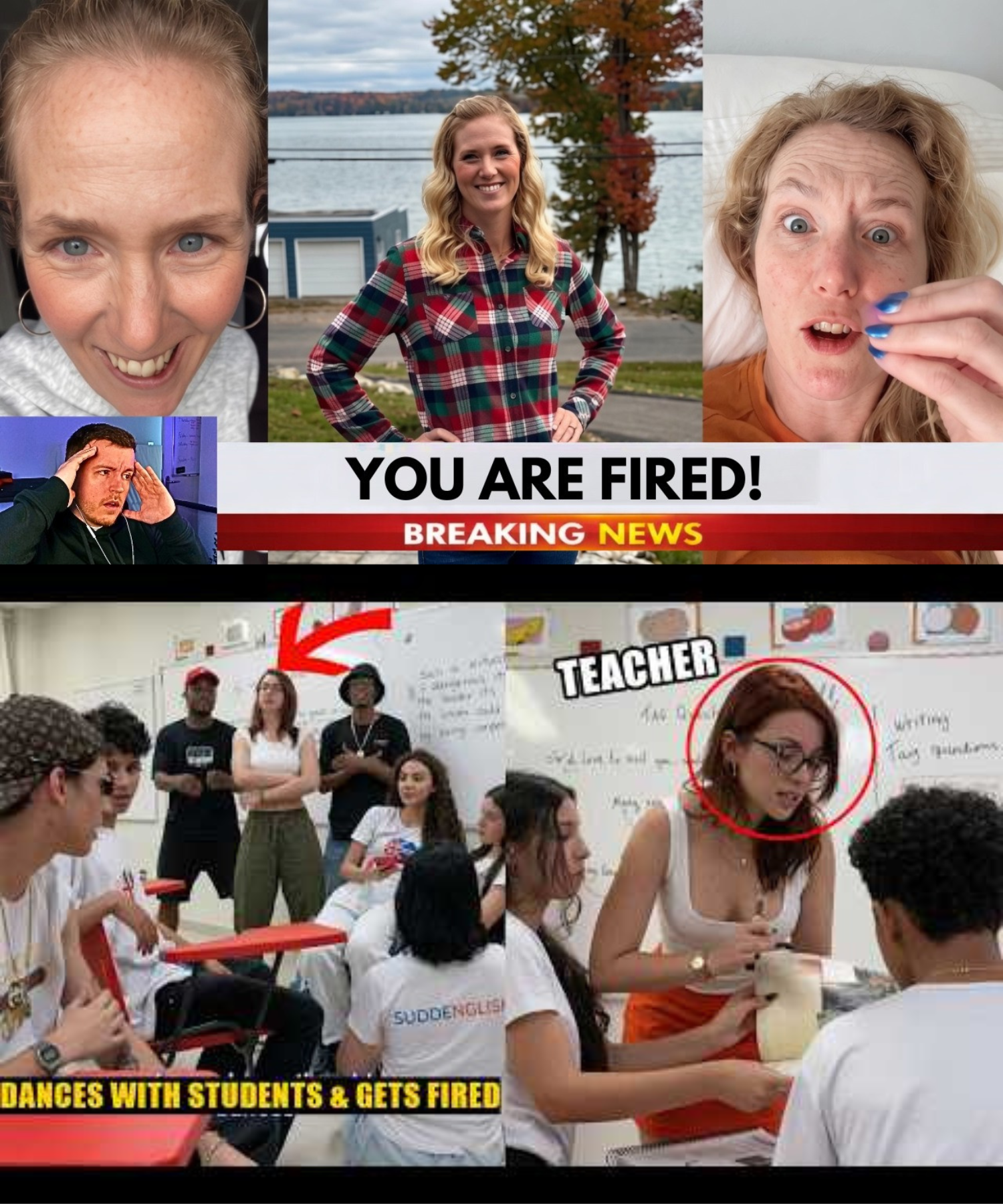
The video then pivots into healthcare-related content, including a worker who allegedly lost a hospital job after online activity connected to adult-content platforms and another set of hospital staffers making “ick” videos about patients and families.
The reaction was immediate and severe.
Healthcare workers are held to a higher standard because patients expect privacy, dignity, and professionalism during some of the most vulnerable moments of their lives.
When medical staff appear to joke about labor rooms, family members, patient behavior, or hospital routines, critics say it feels like a betrayal.
Hospitals across the U.S. have increasingly warned employees that social media posts can violate privacy rules even if names are not directly mentioned. The public reaction shows why.
Americans may tolerate jokes at work. They do not tolerate the feeling that their pain has become someone else’s TikTok material.
Teachers Under Fire for Classroom Content
Another major flashpoint involves teachers and educators accused of creating inappropriate videos in school settings.
One teacher reportedly filmed suggestive dance content with students, later arguing that it was meant to engage them and connect through their interests.
That explanation did not calm viewers.
Parents and school boards are increasingly alarmed by educators who blur boundaries between classroom instruction and influencer culture. The concern is not simply dancing or humor. It is the growing belief that some teachers are treating classrooms as stages for personal branding.
The controversy deepened when the video referenced educators or school employees allegedly promoting adult-content pages through social media.
For many parents, that crosses a line that cannot be walked back.
The American classroom has already become a battleground over politics, gender, ideology, and parental rights. Viral teacher scandals pour gasoline on that fire.
“I Got Fired for Being Woke”
One of the most politically charged clips features a former professor claiming she was fired after students accused her of pushing a political agenda under the banner of empathy, self-awareness, and communication training.
She says conservative students and outside groups targeted her, complained to administrators, and helped generate public backlash.
Her critics argue that many “soft skills” courses have become vehicles for ideological instruction, especially in universities where diversity, equity, and inclusion language is woven into nearly every subject.
Her defenders say political pressure campaigns are chilling academic freedom and punishing professors for teaching difficult material.
This clip has become a miniature version of America’s campus war: is higher education teaching critical thinking, or indoctrination?
The answer depends almost entirely on who is watching.
The Dress Code Wars
The compilation also features workplace and airline dress-code disputes, including a woman claiming she was reprimanded because her body shape made standard work clothing appear inappropriate, and another story involving passengers removed from a Spirit Airlines flight over crop tops.
These clips sparked competing reactions.
Some viewers see them as examples of women being unfairly policed for their appearance. Others argue that dress codes exist for professional and safety reasons, and that “body shaming” is now too often used to avoid accountability.
Airlines, restaurants, schools, hospitals, and corporate offices are all struggling with the same issue: personal expression has expanded faster than institutional rules can adapt.
Reality Check for the Influencer Dream
One of the most striking clips shows a college graduate with degrees in communications and acting walking into businesses with printed resumes, visibly disappointed that she may need to apply for minimum-wage jobs instead of becoming a successful TikToker.
The clip went viral because it exposed a harsh reality many young Americans are now facing.
The influencer economy promised freedom, money, fame, and self-expression. But only a small fraction of creators ever turn online visibility into stable income.
For many, the crash back to ordinary work is humiliating.
The internet rewards attention. The real world still demands reliability.
Adult Content and Employment Reputation
Several clips focus on workers whose adult-content platforms became entangled with their professional lives.
The debate here is especially heated.
One side argues adults have the right to monetize their bodies and private choices. The other argues employers also have the right to protect brand reputation, especially when employees represent schools, hospitals, or high-trust professions.
In corporate America, this is becoming a growing gray zone. What a worker does online after hours may still affect clients, patients, students, or customers who search their name.
The internet has made private identity nearly impossible to separate from public employment.
The Rachel Dolezal Reference Reignites Identity Debate
The video also mentions Rachel Dolezal, later known as Nkechi Diallo, and a school-related controversy involving an inappropriate social media account.
Her inclusion instantly revived older debates about identity, race, and public trust.
To critics, the case symbolizes a culture where personal reinvention can collide with institutional credibility. To defenders, it raises questions about whether past notoriety should permanently block future employment.
The broader public reaction, however, was unforgiving.
America’s Accountability Machine
What makes the compilation so powerful is not any single clip. It is the pattern.
People post. People get exposed. Employers react. The person fired claims victimhood. Social media judges all sides.
The result is a new American accountability machine that moves faster than HR departments, journalists, courts, or unions.
Sometimes it exposes real misconduct.
Sometimes it destroys people for poor judgment.
Often, it does both at once.
No Way Back to Private Mistakes
The deeper lesson is chilling: the age of private stupidity is over.
A bad joke, a workplace rant, a provocative side hustle, a careless classroom video, or a hospital “ick” list can now follow someone forever.
Supporters call that accountability.
Critics call it digital mob justice.
But everyone agrees on one thing: the camera is always rolling, and the internet never forgets.
In America’s new workplace reality, the most dangerous employee may not be the one who breaks company policy.
It may be the one who presses upload.