“Faith on Trial in Prime Time”: Viral CNN Pastor Interviews Ignite National Debate Over Media Bias, Religion, and Free Speech
“Faith on Trial in Prime Time”: Viral CNN Pastor Interviews Ignite National Debate Over Media Bias, Religion, and Free Speech
A series of resurfaced CNN interview clips featuring pastors and faith leaders has gone viral across social media, reigniting a heated national debate over media bias, religious expression, and the role of faith in public discourse during politically charged moments in American history.
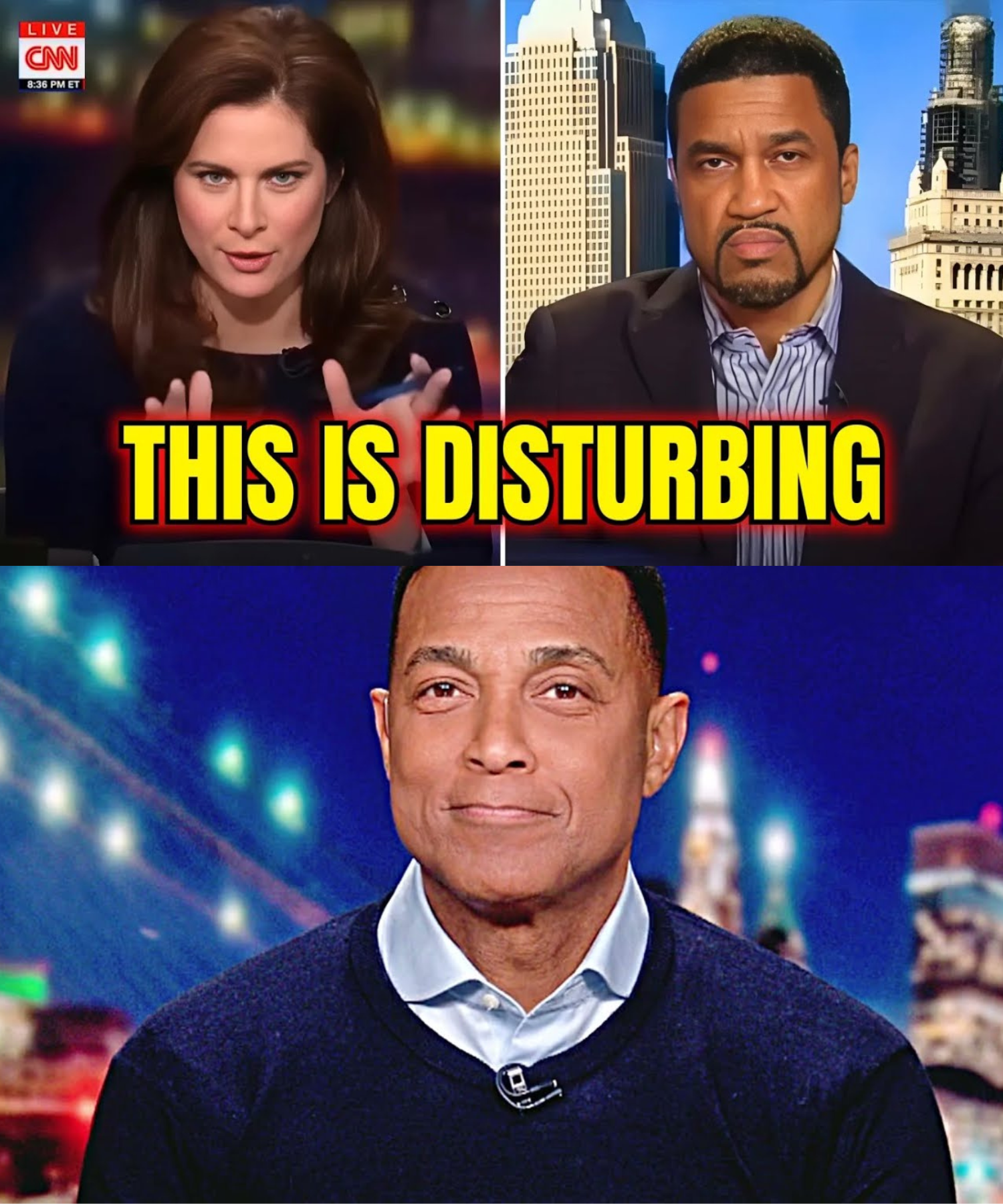
The footage, originally broadcast between 2016 and the COVID-19 pandemic era, shows tense on-air exchanges between CNN hosts and Christian pastors who were invited to discuss issues ranging from politics and race to public health and religious freedom.
Supporters of the pastors argue the interviews reveal a pattern of media hostility toward religious voices, while critics say the segments reflect legitimate journalistic scrutiny of controversial viewpoints.
At the center of the debate is a broader question:
Are these interviews examples of accountability — or confrontation disguised as narrative framing?
The Darryl Scott Interview: A Moment That Sparked Division
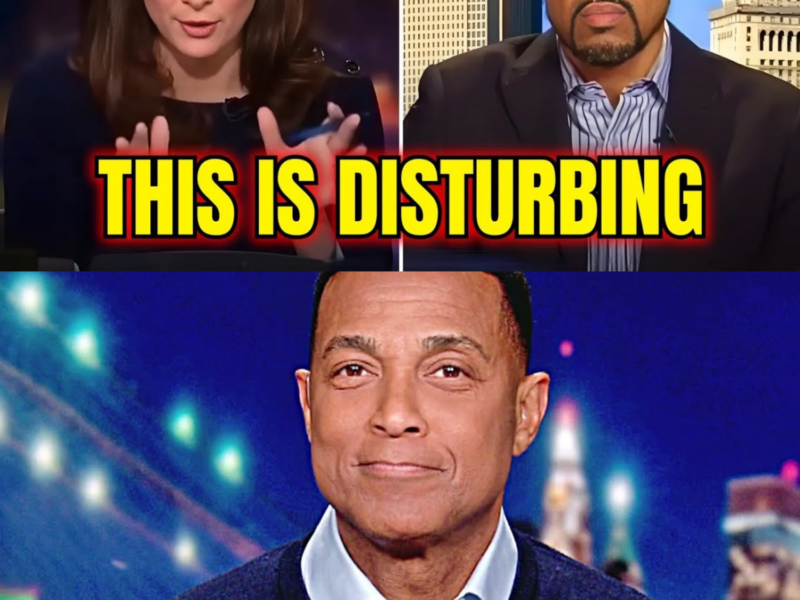
One of the most widely shared clips features Pastor Darryl Scott, a vocal supporter of former President Donald Trump, appearing on CNN in a segment framed around political rhetoric and racial sensitivity.
The interview begins with a tense tone as panelists question Trump’s language referencing African-American supporters at rallies.
The setup quickly escalates into confrontation, with commentators suggesting racial undertones in political messaging.
However, Scott responds calmly, rejecting the framing and offering a different interpretation of the interaction.
He argues that the phrase in question was not intended as derogatory, but rather as a gesture of acknowledgment toward supporters in the crowd.
His response shifts the tone of the segment and disrupts the expected narrative trajectory.
“A Term of Endearment”: A Different Interpretation
Scott explains that he does not interpret the language used in the political rally as racially motivated.
Instead, he frames it as a cultural expression rather than an act of discrimination.
He argues that political and media environments have become overly sensitive, creating a climate where even neutral or informal language is interpreted through a lens of suspicion.
His comments introduce a broader critique of what he describes as “walking on eggshells” in modern discourse about race and identity.
This interpretation sharply contrasts with the framing offered by other panelists, leading to visible tension on set.
CNN Panel Tension and Narrative Breakdown
As the discussion continues, the exchange becomes increasingly fragmented.
Panelists challenge Scott’s interpretation, arguing that the language in question reflects deeper structural issues in political rhetoric.
Scott, however, maintains that intent matters and that personal experience with individuals should not be dismissed in favor of generalized assumptions.
The result is a breakdown in conversational alignment, with both sides speaking past each other rather than toward resolution.
Clips of the exchange have since been widely circulated as examples of media polarization and ideological division in televised debate formats.
Pastor Bill Owens: A Different Kind of Interview Clash
Another viral segment features Pastor Bill Owens during a CNN interview about a meeting between faith leaders and political officials.
The conversation initially centers on race, political messaging, and concerns about rhetoric targeting minority communities.
Owens responds by redirecting focus toward the purpose of the meeting, emphasizing policy concerns rather than media narratives.
He repeatedly states that the goal of the gathering was to discuss practical solutions for inner-city communities rather than engage in political spectacle.
His calm and structured responses contrast with the more confrontational framing of the interview questions.
“That Was Not the Purpose of the Meeting”
Owens insists that the meeting with political leadership was focused on tangible community issues such as education, economic opportunity, and youth development.
He rejects the suggestion that the gathering was designed for political optics or narrative management.
Instead, he describes it as a practical engagement aimed at improving conditions in urban communities.
His responses frustrate attempts to redirect the conversation toward controversy, creating visible tension in the interview dynamic.
Greg Locke and the Pandemic Controversy
The viral compilation also includes references to Pastor Greg Locke, who became a polarizing figure during the COVID-19 pandemic due to his public opposition to vaccination mandates and skepticism toward official public health messaging.
Footage shows an attempted CNN interview that was ultimately canceled, followed by accusations and counter-accusations exchanged through public statements and social media.
Locke’s rhetoric, including strong criticism of government restrictions, intensified already existing tensions between faith communities and public health authorities during the pandemic.
The segment highlights how religious leadership became a focal point in broader national disputes over authority, science, and individual liberty.
John MacArthur and Church Lockdown Resistance
Another major focal point in the viral discussion is Pastor John MacArthur, who openly defied California’s COVID-19 restrictions by continuing in-person worship services during lockdowns.
In the interview segment, MacArthur argues that government restrictions on worship services represent an infringement on religious freedom.
He emphasizes that his church had historically complied with civic regulations but viewed worship as a non-negotiable religious obligation.
MacArthur also points to what he sees as inconsistencies in enforcement, noting that other large public gatherings were treated differently.
“Obedience, Worship, and Civil Authority”
The interview becomes particularly tense when discussing the balance between public health and religious obligation.
MacArthur argues that worship services are essential expressions of faith that cannot be suspended indefinitely without theological consequences.
He maintains that the church’s decision to continue gathering was rooted in spiritual conviction rather than political defiance.
The interviewer pushes back, emphasizing concerns about public safety and communal responsibility.
The exchange highlights a fundamental conflict between institutional authority and religious autonomy.
Media Framing and Perception of Faith Leaders
A recurring theme across all segments is the perception of how faith leaders are framed in mainstream media coverage.
Supporters argue that pastors are often positioned as controversial figures before they even speak, creating adversarial interview environments.
Critics counter that media scrutiny is necessary when public figures make statements that influence large audiences.
The tension between these perspectives reflects a broader cultural divide over trust in media institutions and religious authority.
The Role of Race, Politics, and Religion in Public Debate
The viral clips also highlight how discussions of race and religion frequently intersect in American political discourse.
In multiple segments, interview questions focus on how political statements are interpreted through racial or ideological frameworks.
Faith leaders respond by emphasizing intent, context, and lived experience, while media hosts often focus on systemic interpretation and broader social implications.
This disconnect contributes to recurring misunderstandings and heightened emotional responses on both sides.
Conclusion: A Debate That Reflects a Divided Media Landscape
The resurfaced CNN interviews have become more than isolated media moments — they now serve as reference points in a larger national conversation about trust, narrative control, and the role of faith in public life.
For supporters of the pastors, the clips demonstrate how religious voices can be challenged or misunderstood in mainstream media environments.
For critics, they represent difficult but necessary conversations about accountability, rhetoric, and influence.
What remains clear is that these exchanges continue to resonate years later because they reflect unresolved tensions in American society.
At their core, they raise a persistent question:
When faith, politics, and media collide on live television — who defines the truth of what is being said?