Explosive Race Debate Over Black Families, White Privilege, and Affirmative Action Sends Shockwaves Across America
Explosive Race Debate Over Black Families, White Privilege, and Affirmative Action Sends Shockwaves Across America
Los Angeles — A tense and deeply personal interview clip has gone viral across American social media, reigniting one of the country’s most painful debates: what is truly driving the crisis inside many Black communities — racism, broken families, failed leadership, or a culture of blame that refuses to confront uncomfortable truths?
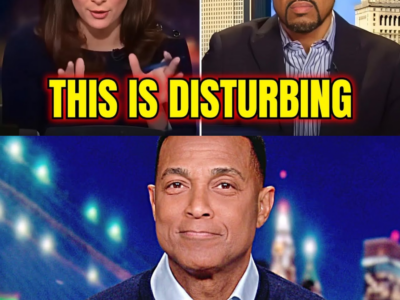
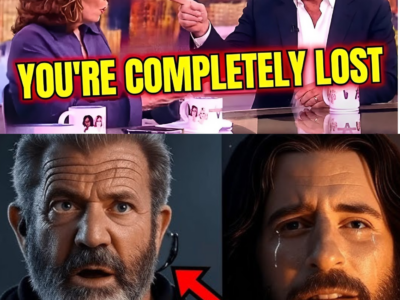
The footage shows a heated exchange between a conservative host and a Black female guest, with the conversation moving rapidly from slavery and Jim Crow to single-parent homes, incarceration, Black motherhood, affirmative action, white privilege, and Barack Obama’s legacy.
It is not a quiet policy discussion. It is raw, confrontational, and at times deeply uncomfortable.
The host repeatedly challenges the guest’s belief that institutional racism remains a central force shaping Black American life. The guest pushes back, arguing that slavery, Jim Crow, mass incarceration, media influence, and economic inequality have destabilized Black families across generations.
What follows is a collision between two visions of America.
One says the past still shapes the present.
The other says the present cannot be healed until people stop blaming the past.
The Black Family Breakdown Question
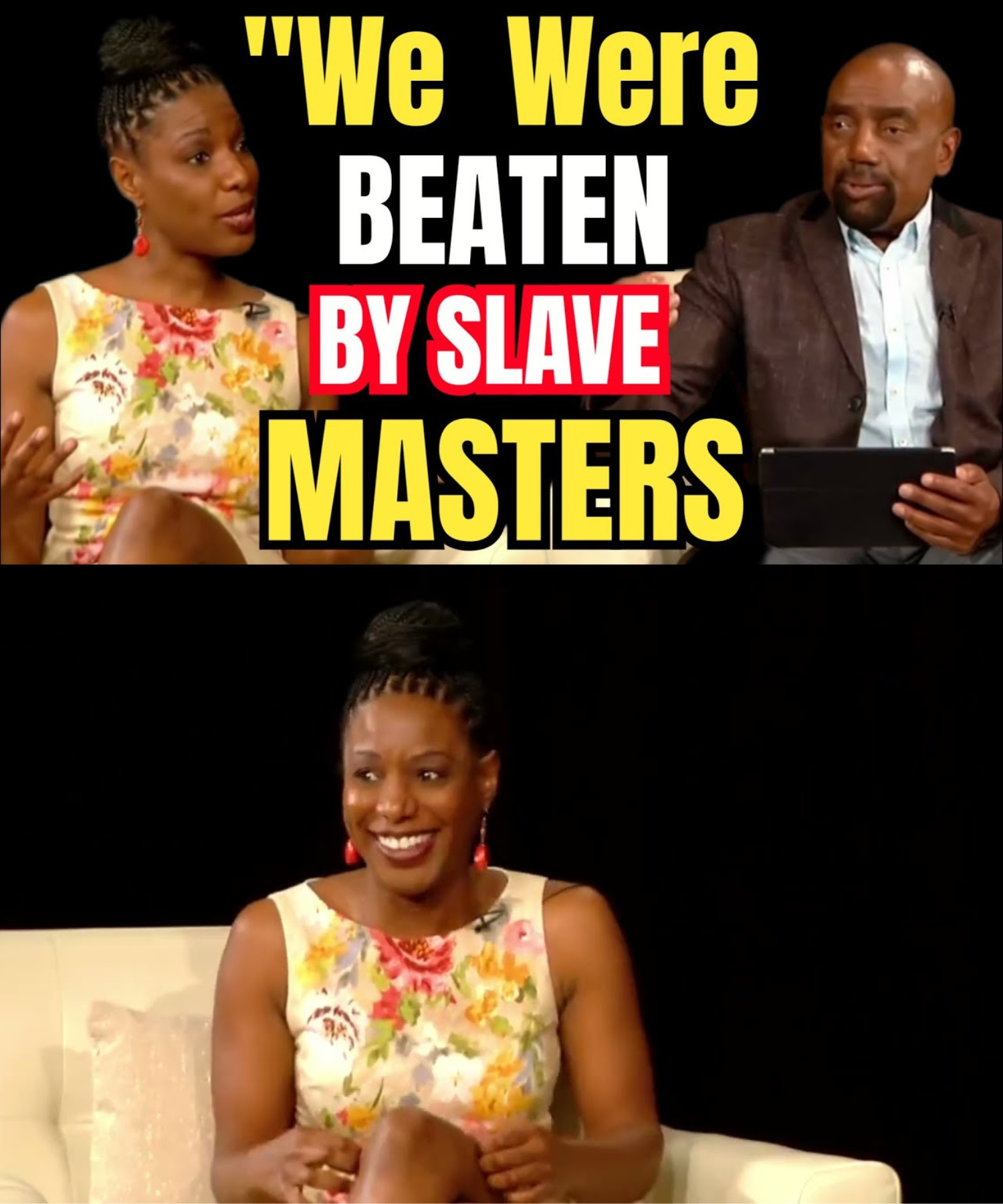
The most heated part of the debate begins when the host raises the issue of fatherlessness and out-of-wedlock births in the Black community. He claims that a high percentage of Black children are born outside marriage and argues that this has created generational damage.
The guest responds that the issue cannot be separated from the history of slavery, Jim Crow, incarceration, and the targeting of Black men. She argues that when men are removed from families, women are left to carry both parental roles, leading to emotional pressure and instability.
The host rejects that explanation, arguing that Black families were often more intact during eras when racism was more overt and legally enforced. He points to earlier generations that, despite harsher conditions, maintained marriage, family structure, and church-based morality at higher levels.
That clash becomes the emotional core of the interview.
The guest frames family breakdown as the result of structural pressure. The host frames it as the result of moral collapse and personal irresponsibility.
“Are Black Mothers Passing Down Anger?”
The conversation becomes even more explosive when the host claims that anger among young Black Americans is being passed down by mothers and grandmothers in fatherless homes.
The guest strongly objects to that generalization, warning against blaming Black women as a group. She argues that anger can come from schools, media, poverty, trauma, policing, and social conditions — not simply from mothers.
The host presses harder, suggesting that if fathers are absent, then mothers must be the main influence shaping children’s emotional lives.
This part of the exchange has triggered fierce reaction online. Supporters of the host say he is saying what many are afraid to say publicly: that family culture, not racism alone, must be addressed. Critics argue that the framing unfairly attacks Black women who have carried families through extraordinary hardship.
The debate touches a nerve because both sides are speaking to real fears.
One side fears that responsibility is being avoided.
The other fears that suffering is being mocked.
Institutional Racism vs Personal Responsibility
The guest argues that institutional racism still exists through policing, education, economic inequality, and historical disadvantage. She says Black Americans face barriers that white Americans often do not experience, including racial profiling and unequal access to resources.
The host rejects the term almost entirely, calling it an illusion promoted by leaders and activists. He argues that white Americans also struggle with marriage, parenting, work, poverty, and survival, but are not encouraged to blame others for those struggles.
This is where the conversation moves beyond one interview and becomes a national fault line.
For decades, American politics has battled over whether racial disparities are mostly the result of systemic discrimination or individual decisions. Progressives tend to emphasize historical structures and unequal opportunity. Conservatives tend to emphasize family, faith, discipline, and personal conduct.
This viral clip places those two worldviews face-to-face with almost no filter.
White Privilege Debate Erupts
The guest insists white privilege is real, describing it as the ability to move through society without the same racial burdens Black Americans face.
She gives examples: fewer assumptions of criminality, less racial profiling, more social freedom, and greater ease navigating institutions historically built by and for white Americans.
The host asks where the proof is. He says he does not see white privilege because white people also work hard, raise children, pay bills, and face hardship.
The exchange mirrors a broader American disagreement over what “privilege” means.
To one side, privilege does not mean an easy life. It means not facing certain racial obstacles.
To the other side, the term feels like an accusation that ignores class struggle and personal sacrifice among white Americans.
The viral reaction shows how emotionally charged the phrase has become. For some, “white privilege” is a useful tool for explaining unequal outcomes. For others, it is a political weapon that assigns guilt to people based on skin color.
Affirmative Action Under Fire
The conversation then turns to affirmative action, with the guest saying she is a proud beneficiary of the policy and that it helped her gain access to UCLA.
The host responds sharply, arguing that if she needed affirmative action, then she did not earn admission on equal academic terms. He frames race-based admissions as discrimination and suggests it can damage students by placing them in environments where they may struggle.
The guest counters that affirmative action gave students from unequal educational backgrounds access to elite institutions they might otherwise never reach.
This segment reflects one of America’s most divisive education debates. Supporters say affirmative action corrected historic exclusion. Opponents say it punished some students for race while patronizing others.
The guest sees it as access.
The host sees it as lowered standards.
Obama and the Question of Black Leadership
The debate reaches another dramatic point when Barack Obama is mentioned. The guest says she supported him and admired what he represented as America’s first Black president.
The host dismisses symbolic representation, asking what Obama actually did to clean up gang violence, drugs, crime, and instability in urban Black communities.
The guest admits he could have done more if Black Americans had a unified agenda.
That moment has struck many viewers as brutally revealing. It exposes frustration among some Americans who believe Black leadership has often delivered symbolism without measurable transformation in struggling neighborhoods.
Others argue that no single president, not even Obama, could reverse decades of urban decay, economic policy failure, school decline, incarceration, and family breakdown.
A Debate America Cannot Escape
The viral clip has become powerful because it refuses to stay polite. It forces uncomfortable questions into the open.
Are Black Americans still held back primarily by racism?
Are family breakdown and fatherlessness more urgent than systemic discrimination?
Does white privilege explain inequality, or does it deepen resentment?
Did affirmative action open doors, or did it undermine merit?
Did Obama’s presidency inspire Black America, or fail to materially change it?
There are no easy answers.
But the reason this video is spreading so quickly is clear: it captures America arguing with itself.
One side demands accountability.
The other demands historical honesty.
And somewhere between the two is a painful truth many Americans are still struggling to face: the country cannot heal by ignoring racism, but it also cannot heal by denying responsibility.
That is why this debate is not going away.
It is only getting louder.