Viral Oak Bluffs Video Ignites America’s Fiercest Debate Over Black Wealth, Class, and “Acting Right”
Viral Oak Bluffs Video Ignites America’s Fiercest Debate Over Black Wealth, Class, and “Acting Right”
A quiet seaside town on Martha’s Vineyard has suddenly become the center of a national firestorm over race, class, discipline, wealth, respectability, and who gets to define what Black excellence is supposed to look like in America.
The controversy began with a video from Oak Bluffs, Massachusetts, a historic vacation haven known for generations as one of the most important Black summer communities in the United States. In the clip, a Black man celebrates the town as a place of beauty, family, professionals, doctors, lawyers, professors, accountants, finance workers, and what he calls “elite Black wealth.”
Then he adds the line that detonated the internet.
People are welcome to come, he says, but they need to know how to act.
To supporters, the message was simple: Oak Bluffs represents dignity, safety, achievement, family pride, and a rare public image of Black America that is not built around crisis, crime, or humiliation. To critics, the message sounded like respectability politics — the old idea that Black people must perform “proper behavior” to be accepted in elite spaces.
Within hours, the argument had split Black social media into warring camps.
One side praised the man for saying out loud what many people quietly believe: that public behavior matters, that wealth without order is fragile, and that hard-earned spaces should not be destroyed by drama, violence, chaos, or embarrassment. The other side accused him of sounding elitist, classist, and too eager to distance himself from other Black people by using phrases like “Black fatigue.”
That phrase became the match in the gasoline.
For some viewers, “Black fatigue” was a necessary description of what happens when viral videos of fights, public disorder, and reckless behavior become attached to Black identity in the public imagination. They argued that communities should be able to call out bad conduct without being accused of betrayal.
For others, the phrase was unforgivable. They said it sounded like language borrowed from people who already look at Black life through suspicion. To them, a Black person using the phrase only reinforced the very stereotypes that Black communities have been fighting for generations.
That is why the debate became larger than Oak Bluffs.
It became a fight over whether internal criticism is accountability or self-hatred.
Oak Bluffs carries a history that makes the controversy even more emotional. For generations, Black families came there when many other vacation destinations were closed, hostile, or quietly exclusionary. It became a place where Black doctors, teachers, lawyers, business owners, pastors, artists, civil rights leaders, and families could rest without shrinking themselves. It was not merely a beach town. It was a refuge.
That history is why supporters of the original video say the standard matters.
They argue that people before them sacrificed, built, saved, bought property, preserved homes, raised children, and created a legacy. In their view, asking visitors to respect the place is not anti-Black. It is protective. They compare it to entering someone’s home: nobody should need a lecture, but everyone understands there are rules. You do not damage the furniture. You do not disrespect the host. You do not bring chaos into a space someone else worked to build.
But critics hear something different.
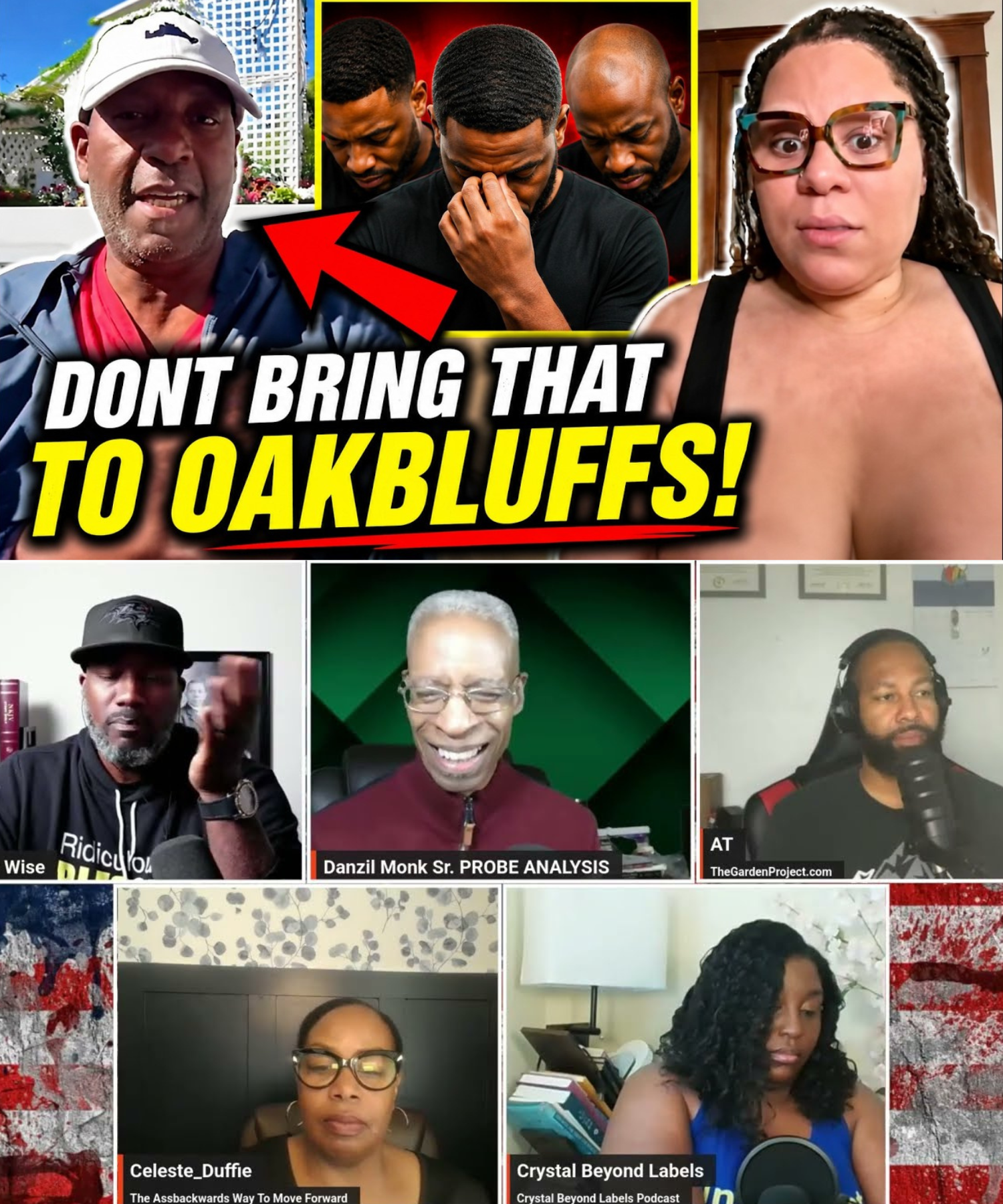
They hear a warning aimed at people who already feel excluded from elite Black spaces. They hear coded language about class, education, speech, dress, and behavior. They hear the suggestion that being “respectable” means becoming acceptable to white standards. One woman in the transcript responds sharply, saying she does not want to go anywhere where she has to be given a disclaimer just because she is Black.
That response revealed the deeper wound.
For many Black Americans, respectability politics carries historical baggage. Black people have dressed well, spoken carefully, earned degrees, served their country, built businesses, followed the rules, and still faced discrimination. Critics argue that “acting right” has never guaranteed safety, acceptance, or equality. They believe the demand itself can become a trap: behave perfectly, and maybe you will be tolerated.
The opposing side says that argument misses the point.
They insist this is not about performing for white people. It is about basic public standards. No fighting. No stealing. No screaming in restaurants. No turning celebrations into chaos. No embarrassing families who worked hard to enter spaces of stability. They point to viral incidents like cruise-ship brawls and public fights as examples of behavior that should not be excused, romanticized, or defended just because the people involved are Black.
That is where the conversation becomes painfully complicated.
America often treats Black people as a collective symbol. One person’s success becomes “Black excellence.” One person’s crime becomes “a Black problem.” One viral fight becomes a national stereotype. One wealthy enclave becomes a referendum on the whole community. That burden is exhausting, unfair, and real.
But the answer cannot be silence.
A mature community must be able to criticize behavior without condemning an entire people. It must be able to celebrate Oak Bluffs without pretending all Black Americans should aspire to the same lifestyle. It must be able to reject racism without pretending every internal standard is racist. It must be able to say that dignity matters without turning dignity into snobbery.
That balance is what the online debate has struggled to find.
The most revealing part of the controversy is that almost everyone involved is arguing from a place of fear. Supporters fear that hard-built spaces will be ruined by people who refuse to respect them. Critics fear that elite Black spaces will define “good” Blackness in ways that shame everyone outside the professional class. Some fear public disorder. Others fear internal policing. Some fear white judgment. Others fear community decline.
Oak Bluffs became the battlefield because it symbolizes the prize.
It is not just a town. It is proof that Black America contains wealth, calm, beauty, history, excellence, and generational pride. It stands against the endless loop of negative images that dominate cable news and social media. It shows families at ease, professionals on vacation, children surrounded by legacy, and elders who remember when even rest had to be fought for.
That is why the original video resonated.
And that is why it offended.
The man who praised Oak Bluffs wanted people to see a better image. But his warning — come only if you know how to act — forced America into a brutal conversation about who gets invited into that image and under what conditions.
There is no easy ending to this debate.
Oak Bluffs will remain what it has long been: a historic, beautiful, complicated symbol of Black aspiration and belonging. Social media will continue turning community arguments into public trials. And America will keep wrestling with the same uncomfortable question: can a people demand standards without sounding like they are ashamed of their own?
The answer may depend on whether the conversation grows up.
Because dignity is not white.
Order is not white.
Wealth is not betrayal.
And criticism, when rooted in love rather than contempt, does not have to be an attack.
But the warning cuts both ways: a community that cannot correct itself risks decay, and a community that corrects without compassion risks becoming another gate with a lock on it.
That is the real Oak Bluffs argument.
Not whether people should know how to act.
But whether America can talk about behavior, class, and Black identity without turning every disagreement into a civil war.