October 7th Survivors FACE Denier in NYC Experiment — What Happens Next Leaves Everyone Frozen
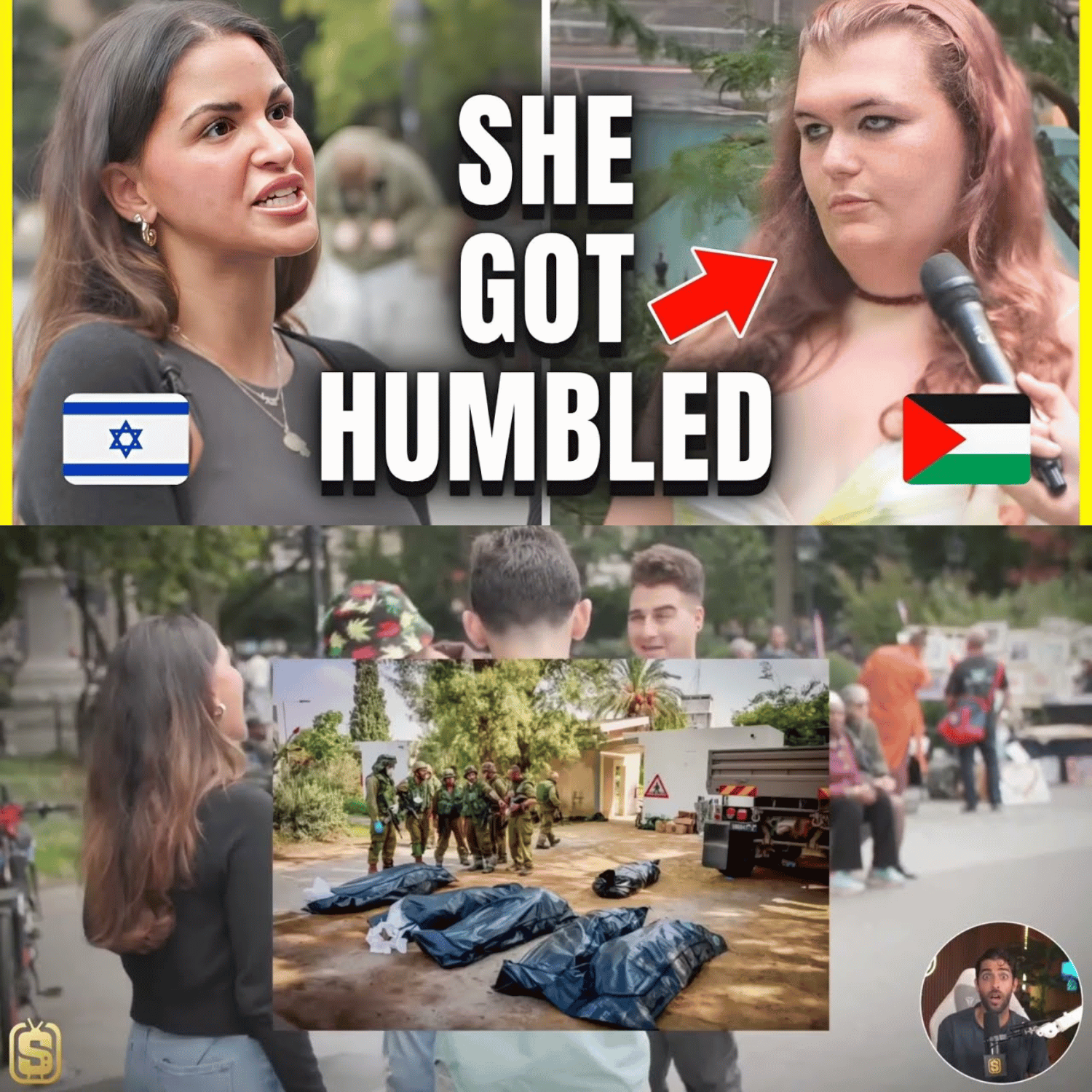
A tense and emotionally charged street experiment in New York City has gone viral after October 7th survivors came face-to-face with individuals denying or questioning the events of the Hamas attack on Israel. What began as a social experiment quickly escalated into one of the most heated public confrontations seen in recent months, leaving bystanders shocked and deeply divided.
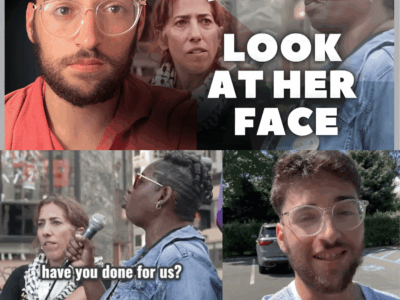
The video, conducted by content creator Zack Sage Fox, was filmed in a busy urban setting where unsuspecting participants were asked about their views on the October 7th attack. At first, the interactions appeared typical of street interviews—until survivors of the Nova music festival tragedy unexpectedly stepped forward.
A Calm Start Turns Into Immediate Tension
The footage opens with survivors describing their experience in harrowing detail. One survivor recalls the chaos of that day with visible emotion:
“As we were leaving, we were seeing people running every direction. No one knew where they were safe. There was gunfire behind us, bullets flying past us… and everyone was screaming.”
Their account paints a picture of confusion, fear, and survival under extreme conditions. According to their testimony, they were forced to flee under heavy fire, with no clear escape route and constant threat surrounding them.
The emotional retelling is immediately followed by a stark contrast in reactions from some individuals in the crowd—some of whom questioned, dismissed, or outright rejected the survivors’ accounts.
Denial and Disbelief Spark Outrage
As the conversation continues, tensions rise sharply when one participant dismisses the survivors’ testimony, calling them “liars.” The accusation triggers an immediate backlash from both the survivors and those filming the encounter.
“Liars. Liars. They’re liars right now,” one individual can be heard repeating, escalating the confrontation.
Another bystander reacts in disbelief, telling the denier to stay back and refusing further engagement. The emotional intensity of the moment quickly transforms what was intended as a discussion into a confrontation filled with anger, shock, and frustration.
Observers describe the atmosphere as “explosive,” with multiple people attempting to interject, correct misinformation, or de-escalate the situation.
Survivors Step Forward With Firsthand Accounts
The tone shifts dramatically when two survivors of the Nova music festival attack step forward to share their personal experiences. Their testimony provides a raw, unfiltered account of what they endured during the October 7th assault.
One survivor describes arriving at the festival expecting a normal day of music and celebration. Instead, they recount how rockets began appearing overhead, followed by armed attackers entering the area hours later.
“We were hunted for hours,” the survivor explains. “There was no chance to stop running. You either keep going, or you get caught.”
Another survivor describes the overwhelming chaos as people scattered in every direction, unsure of where safety could be found.
“There were bullets flying past us. Everyone was screaming. It was absolute panic.”
Their accounts draw silence from several listeners, while others appear visibly shaken by the details.
Emotional Breakdowns and Heated Accusations
As the survivors continue speaking, the confrontation intensifies again when one of the earlier skeptics dismisses their testimony outright, repeating accusations of dishonesty. This leads to a highly emotional exchange between participants, with raised voices and sharp accusations being exchanged on both sides.
At one point, a survivor supporter confronts the denier directly, accusing them of ignoring lived experiences and refusing to acknowledge documented events.
The situation escalates further when accusations of hatred and disrespect are exchanged. The denier is criticized for allegedly refusing to engage with survivor testimony, while the denier insists they are simply questioning narratives and expressing disagreement rather than hostility.
Despite attempts to maintain control of the situation, the emotional weight of the discussion makes it increasingly difficult to de-escalate.
Public Reaction: Shock, Support, and Division
As the footage circulated online, it quickly drew millions of views and sparked intense debate across social media platforms. Many viewers expressed support for the survivors, praising their courage in sharing traumatic experiences publicly.
Others, however, focused on the confrontational nature of the exchange itself, arguing that the setting of street-based political discussions can quickly lead to misinformation, emotional escalation, and conflict.
Comment sections became battlegrounds of competing interpretations—some emphasizing the importance of listening to firsthand testimony, while others debated the broader political context surrounding the Israeli-Palestinian conflict.
The Role of Social Experiments in Political Conflict
The video also reignited discussion about the ethics of social experiment content involving highly sensitive geopolitical events. Critics argue that placing survivors of mass-casualty events in direct confrontation with strangers who may hold opposing or uninformed views risks re-traumatization and public escalation.
Supporters of the format, however, argue that these experiments expose real-world attitudes and force uncomfortable but necessary conversations into public view.
Zack Sage Fox, known for provocative street interviews, framed the encounter as an attempt to “show what people really think when confronted with reality.” According to the video’s narration, the goal was to challenge denial narratives by introducing firsthand witnesses directly into the conversation.
Survivor Testimonies Highlight Ongoing Trauma
Beyond the confrontation itself, many viewers focused on the emotional toll evident in the survivors’ voices. Their descriptions of fear, flight, and uncertainty highlighted the lasting psychological impact of the October 7th attack.
The Nova music festival, which was meant to be a celebration of music and unity, became one of the most widely reported sites of violence during the Hamas assault. Survivors have since continued to share their experiences globally, often in educational, memorial, or advocacy settings.
In this case, their unexpected encounter with denial added another layer of emotional strain.
A Viral Moment Reflecting a Larger Divide
By the end of the video, the situation de-escalates, with some participants offering apologies or handshakes, while others remain firm in their positions. The contrast between reconciliation and continued disagreement reflects the broader polarization surrounding the topic.
The footage concludes with commentary emphasizing the importance of dialogue and education, suggesting that even deeply divisive conversations can lead to moments of understanding—though not without significant conflict along the way.
As the video continues to spread online, it stands as another example of how street-level political confrontations in America are becoming increasingly intense, emotional, and unpredictable—especially when they involve real survivors of global tragedies.
Whether viewed as a powerful moment of testimony or a controversial public confrontation, the encounter has undeniably left a lasting impression on viewers worldwide.