Campus Clash Erupts: Palestinian Activist Left Stunned During Heated U.S. Debate Over October 7 Evidence
Heated Debate Over October 7 and Gaza Captivates American Audiences
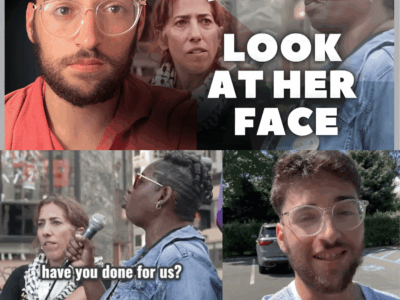
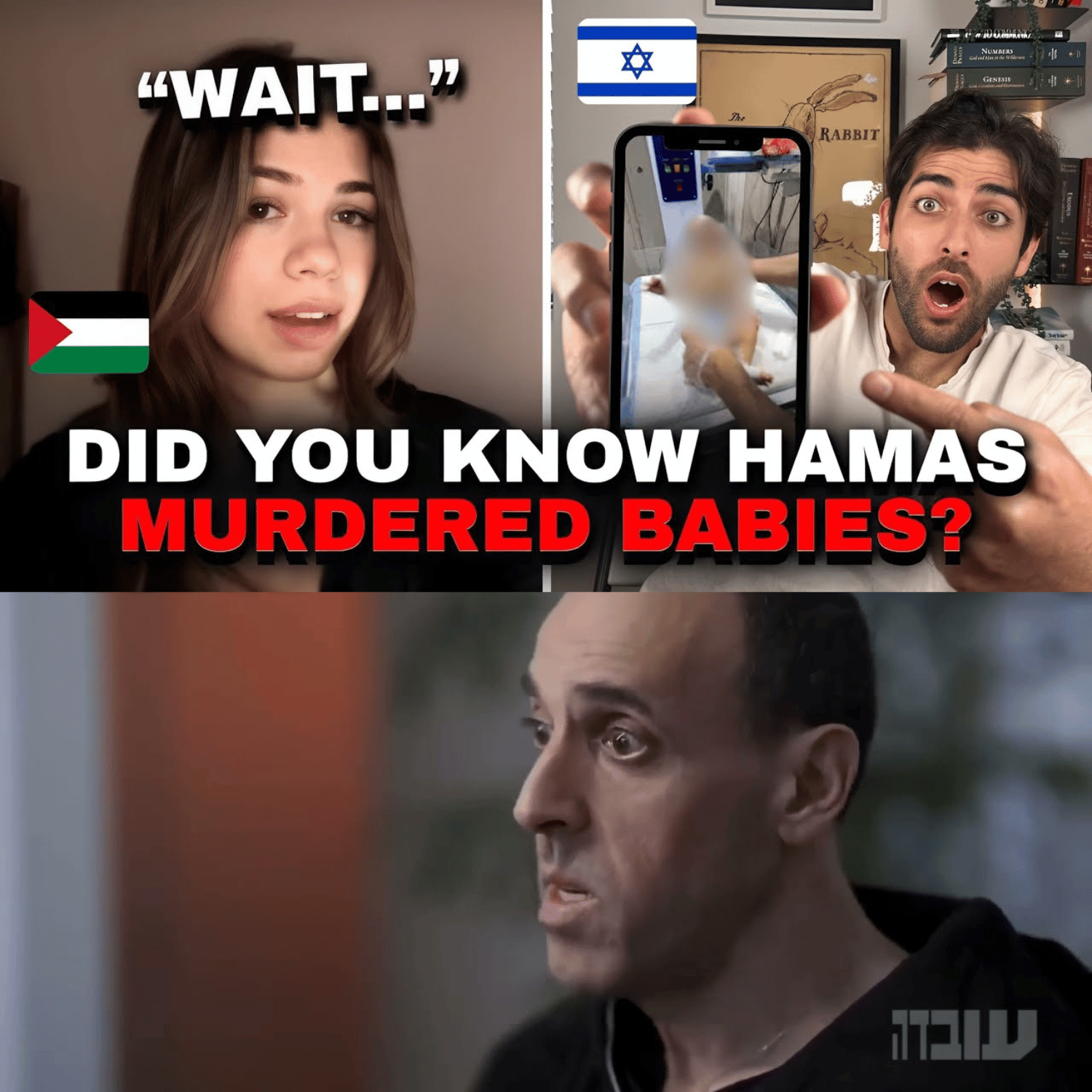
NEW YORK, NY — A tense exchange between an Israeli commentator and a young Palestinian woman has ignited fierce debate across social media in the United States, highlighting the deep divisions that continue to surround the Israel-Gaza conflict nearly three years after the October 7 attacks.
The emotional confrontation, which has been viewed by hundreds of thousands online, touched on some of the most controversial issues of the conflict: terrorism, hostages, civilian suffering, military checkpoints, and competing narratives about what happened on October 7.
As the discussion unfolded, both participants defended sharply opposing views, exposing the seemingly unbridgeable gap between two populations that have spent decades living through violence, fear, and mutual distrust.
A Conversation That Quickly Turned Confrontational
The discussion began with a debate over daily life in the West Bank and the impact of Israeli security checkpoints.
The Palestinian woman described the difficulties she faces while attending university, arguing that routine travel can become a lengthy ordeal because of security restrictions.
According to her, a trip that should take a short amount of time can stretch into hours because of checkpoint inspections.
The Israeli interviewer responded by arguing that the checkpoints were established following years of terrorist attacks, including suicide bombings and stabbings that targeted Israeli civilians.
He claimed the restrictions were implemented as a security measure rather than an attempt to punish ordinary Palestinians.
The exchange immediately revealed a recurring theme seen throughout the conflict: one side views the measures as necessary security protections, while the other sees them as a source of daily hardship and collective punishment.
The Hostage Question Takes Center Stage
The discussion became significantly more intense when the subject shifted to the hostages still believed to be held in Gaza.
The Israeli participant argued that the continued captivity of hostages justifies ongoing military pressure against Hamas.
He repeatedly emphasized that dozens of individuals were taken from their homes during the October 7 attacks and held for months under difficult conditions.
The Palestinian woman countered by pointing to Palestinians held in Israeli prisons, arguing that many Palestinian families also live with fear and separation.
The debate soon evolved into a larger argument over who qualifies as an innocent victim in the conflict.
While the Israeli commentator described the hostages as civilians who were abducted without justification, the Palestinian participant challenged aspects of that narrative and questioned information coming from Israeli sources.
The disagreement reflected a broader reality seen throughout the conflict, where competing claims and accusations often leave observers struggling to determine which accounts are accurate.
Emotional Testimony About Captivity
One of the most dramatic moments came when the Israeli speaker referenced testimony from released hostages.
He described accounts of severe hunger, isolation, and mistreatment allegedly experienced during captivity.
According to the statements he cited, some former hostages reportedly survived on extremely limited food supplies and experienced significant weight loss.
The Palestinian woman remained skeptical, suggesting that some reports could be exaggerated or influenced by political messaging.
That response appeared to frustrate the interviewer, who accused critics of dismissing firsthand testimony whenever it conflicts with their preferred narrative.
The exchange underscored one of the defining characteristics of the modern information war surrounding the conflict: both sides frequently accuse the other of spreading propaganda while simultaneously insisting their own evidence should be accepted as credible.
The October 7 Dispute
Perhaps the most explosive moment arrived when the conversation turned directly to the events of October 7.
The Israeli participant argued that Hamas militants committed atrocities during the attacks and insisted that evidence exists showing civilians, including children, were killed.
The Palestinian woman acknowledged that innocent people died but expressed doubt regarding certain widely circulated allegations.
The discussion quickly became one of the most emotionally charged portions of the debate.
At one point, the interviewer pressed her repeatedly about whether Hamas had killed children during the attacks.
She challenged some of the evidence being presented, while he insisted that extensive documentation exists.
Neither side appeared willing to yield ground.
For many viewers, the exchange illustrated how October 7 remains one of the most disputed and politically sensitive events in the world today.
Social Media Reacts
Within hours of being posted online, clips from the confrontation spread across multiple platforms.
Supporters of Israel praised the interviewer for aggressively challenging what they viewed as attempts to justify violence against civilians.
Many argued that the discussion exposed what they believe is a refusal among some activists to fully condemn Hamas.
Meanwhile, pro-Palestinian users criticized the interviewer, accusing him of oversimplifying the conflict and ignoring Palestinian suffering.
Others argued that focusing exclusively on October 7 without discussing conditions in Gaza presents an incomplete picture of the broader crisis.
The online reaction quickly became another battlefield in the larger information war that has increasingly moved onto social media platforms.
American Universities Watching Closely
The debate has attracted particular attention in the United States, where campuses have become major centers of activism related to the conflict.
Since the outbreak of war, universities across America have witnessed protests, demonstrations, encampments, and heated arguments involving students from a wide range of political backgrounds.
Many educators warn that conversations about Israel and Palestine have become increasingly polarized, making productive dialogue difficult.
The viral exchange is now being cited by both sides as evidence supporting their respective positions.
Some view it as proof that difficult questions must be asked openly.
Others see it as another example of how emotionally charged debates can deepen divisions rather than build understanding.
A Conflict With No Easy Answers
As the discussion came to an end, neither participant appeared any closer to changing the other’s mind.
Instead, the conversation served as a powerful reminder of how deeply entrenched the conflict has become.
For Israelis, memories of October 7 remain a source of profound trauma and fear.
For Palestinians, daily hardships, displacement, and decades of conflict continue to shape their perspective.
The viral confrontation captured those competing realities in real time.
What began as a discussion about checkpoints and security evolved into a broader argument about history, justice, victimhood, and accountability.
And as millions around the world continue to debate the conflict, one thing remains clear: the battle over facts, narratives, and public opinion is likely to continue long after the fighting itself ends.