Muslims Thought The UK Will Bow Down To Islam.. British THREW Them Out!
“What do I say to them?”
“Talk to them. Money.”
“Shame on you.”
That exchange, chaotic and fragmented, reflects something deeper: a country struggling to find the words for a problem it can no longer ignore.
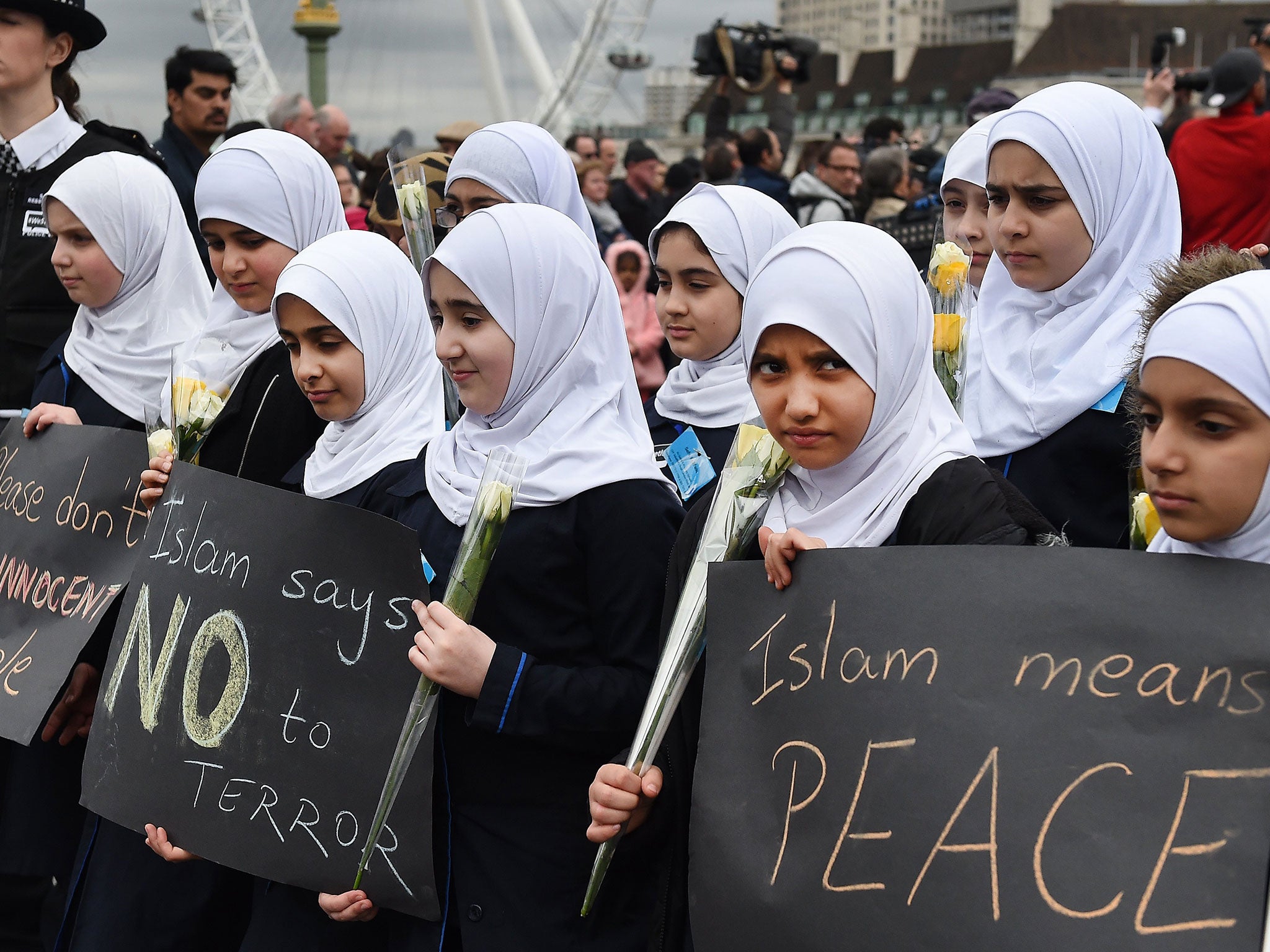
Over the past few days, tensions in Britain—particularly in Birmingham—have erupted into public view. Reports of unrest, smashed windows, and frightened residents have reignited a long-simmering debate about immigration, integration, and national identity. What was once avoided in political discourse is now front and center.
For years, many believed the UK government would hesitate—avoid confrontation, soften language, delay decisions. But recent developments suggest a shift. Discussions around deportations, stricter border enforcement, and even revisiting residency rights for individuals linked to extremism are no longer hypothetical. They are being actively considered.
This moment is not just political theater. It represents a turning point.
A Complex Reality Beneath the Headlines
The UK is home to one of the largest Muslim populations in Western Europe—around four million people. The overwhelming majority are law-abiding citizens: they work, pay taxes, raise families, and contribute to society.
But within that broader picture lie unresolved tensions. Questions about integration, parallel institutions, and political influence have lingered for years without clear answers.
One example often cited is the existence of Sharia councils. These are not official courts but private arbitration bodies. Supporters argue they provide religious guidance; critics—especially women’s rights advocates—argue they can pressure vulnerable individuals into settlements outside the protections of British law.
This is not a fringe concern. It is a legitimate debate about how a modern legal system should function in a diverse society.
When Silence Creates Space for Extremes
Every community has extremist voices. What defines a society is how its institutions respond to them.
In recent weeks, inflammatory rhetoric from individuals online has circulated widely—claims about cultural takeover, rejection of integration, and confrontational interpretations of religion. These voices do not represent the majority, but when they go unchallenged, they gain visibility.
Silence, in these cases, is not neutral. It can be interpreted as acceptance.
This creates a dangerous feedback loop: fringe ideas gain traction, public anxiety increases, and political polarization deepens.
Politics, Power, and Block Voting
The issue becomes more complex when it enters the political arena.
In some constituencies, voting patterns show strong alignment along community lines. This is not unique to one group—every political system sees forms of bloc voting. However, when political messaging frames participation as a form of “taking over” institutions, it raises broader concerns.
Democracy depends on shared rules and mutual trust. When participation is perceived as strategic dominance rather than civic engagement, it risks undermining that trust.
Political parties, particularly those reliant on concentrated voter bases, face a difficult balancing act: representing communities without becoming dependent on them.
Voices from the Ground
Beyond political speeches and media narratives, the most telling insights come from ordinary residents.
In parts of Birmingham and London, long-time inhabitants—both native-born and immigrants—describe noticeable changes in their neighborhoods. Some speak of reduced social cohesion, language barriers, or concerns about safety. Others highlight positive diversity and coexistence.
Importantly, criticism of immigration policy is not coming from one demographic alone. Some of the strongest critiques come from immigrants themselves—people who arrived decades ago and feel newer systems are not working as intended.
This complicates the narrative. It is no longer a simple divide between “pro” and “anti” immigration. It is a debate about how immigration is managed.
Flashpoints and Symbolism
Certain incidents have intensified tensions.
In London, public demonstrations and cultural clashes in iconic locations like Trafalgar Square have sparked debate about national identity and public space. Elsewhere, acts of vandalism—including attacks on emergency service vehicles—have raised concerns about targeted hostility.
These events are symbolic. They amplify fears, shape perceptions, and influence political responses.
Leadership in such moments is critical—not just in condemning wrongdoing, but in maintaining clarity and fairness.
The Role of Political Leadership
Critics argue that for years, British political leaders avoided difficult conversations. Concerns about integration were often dismissed as intolerance. In doing so, legitimate issues were left unaddressed.
Now, the pendulum may be swinging in the opposite direction—toward more forceful policies and rhetoric.
The challenge is finding balance: addressing real problems without fueling division.
Blaming entire communities for systemic failures is neither accurate nor productive. At the same time, ignoring those failures only deepens public frustration.
A System Under Strain
Many of today’s tensions can be traced back to structural issues:
Underfunded integration programs
Housing shortages
Strained public services
Lack of consistent long-term policy
These are not failures of any one group. They are failures of governance.
Immigration, when managed effectively, can strengthen a country. When mismanaged, it can expose and worsen existing weaknesses.
A Defining Moment
Britain is not “falling” or “being taken over,” as some extreme narratives claim. But it is changing—and rapidly.
The real question is not whether change is happening. It is whether the country’s institutions and leaders are equipped—and willing—to manage it honestly.
Democracies often avoid difficult conversations until pressure forces them into the open. That moment has arrived in Britain.
It is now being debated loudly, publicly, and sometimes chaotically.
That is not necessarily a sign of failure. It may be the beginning of course correction.