I Attended Tommy Robinson’s UTK Rally, You Won’t Believe What I Recorded!
I Attended Tommy Robinson’s UTK Rally, You Won’t Believe What I Recorded!
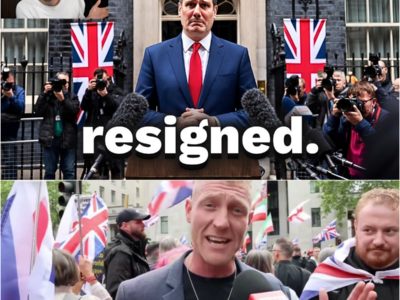
LONDON — In the shadow of a traditional double-decker London bus, a sea of red-and-white St. George’s Cross flags waved against a gray sky, while thousands of voices filled the air with rhythmic, thunderous chants. To mainstream British media and counter-protest groups across the street, this gathering was clear evidence of a dangerous, hard-right surge. Yet inside the crowd, the atmosphere felt entirely different, filled with laughter, friendly greetings, and an upbeat mood. This striking contrast captures the complex reality of a rapidly growing nationalist movement that is actively redefining political resistance across the United Kingdom.
The Illusion of Unity
The event, billed by organizers as the largest free-speech rally in recent British history, serves as a focal point for a movement that is as media-savvy as it is politically polarized. For outside observers, the demonstration is easily dismissed using conventional political labels: an assembly of far-right agitators, soccer hooligans, and fringe nationalists intent on stirring up racial resentment. But for those moving through the crowd, the reality presents a confounding paradox.
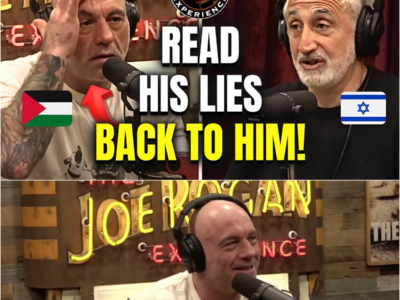
Independent journalists and video vloggers documenting the scene find themselves surrounded not by angry, hooded extremists, but by an remarkably cheerful cross-section of people. Working-class families, elderly couples, and enthusiastic teenagers mingle openly, smiling for cameras and offering warm hugs to independent media figures. “It’s the furthest thing from hate,” remarked Sahar, an Israeli vlogger who operates the independent digital outlet Sahar TV, while filming the crowd. “Everybody here is so loving, and you can see them smiling. It’s very opposite from what’s happening on the counter-protest where they’re chanting against us.”
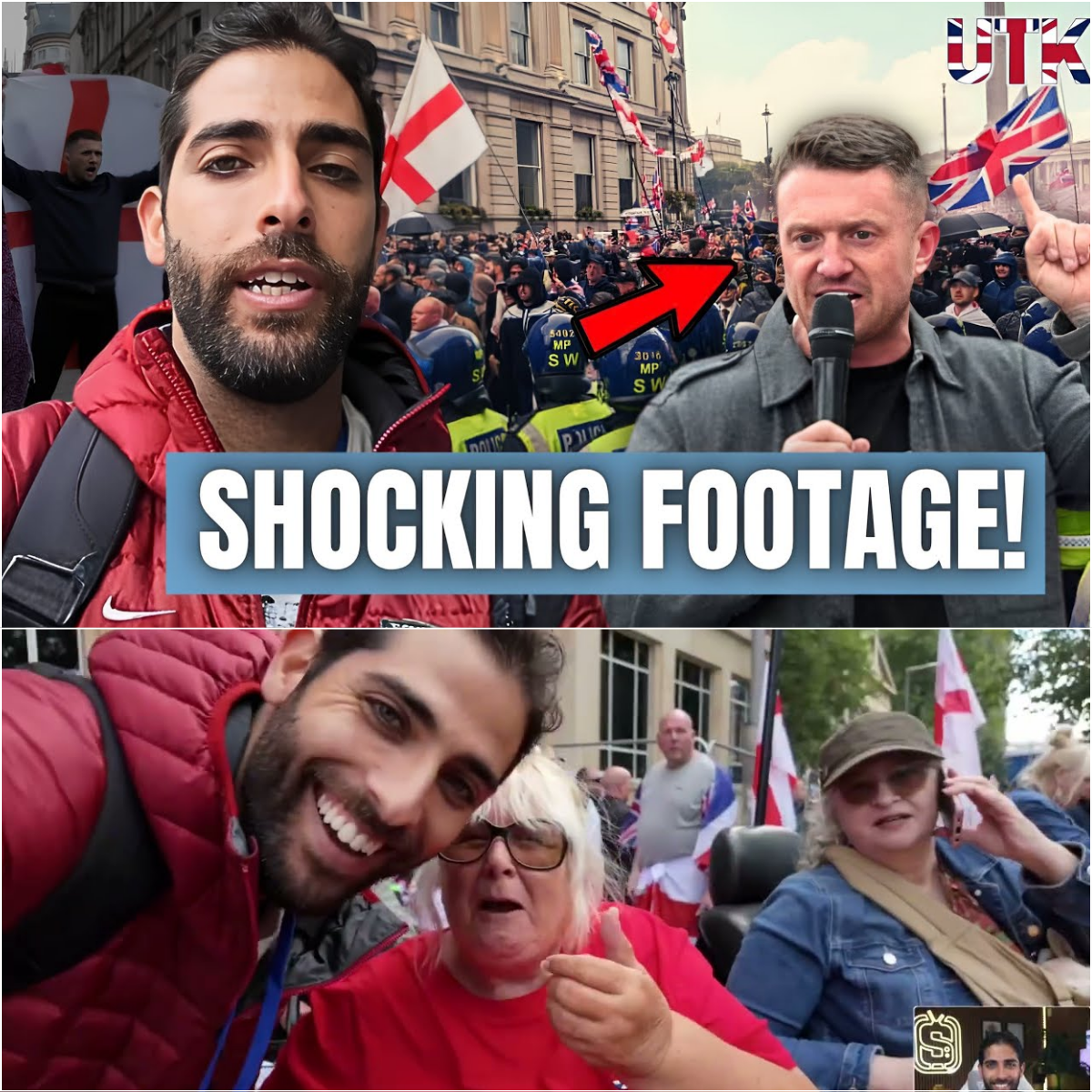
This juxtaposed imagery is entirely intentional, reflecting a sophisticated tactical shift among populist organizers. Leaders within the movement, most notably the polarizing activist Tommy Robinson, have issued strict directives to attendees: avoid masks, stay calm, smile, and refuse to be baited into violence by counter-protesters or law enforcement. By replacing the traditional scowl of right-wing dissent with an approachable, festive atmosphere, the movement aims to dismantle the “extremist” label applied by mainstream media, making their underlying political message much more accessible to the general public.
The Core Grievances: Immigration, Sovereignty, and Tribal Politics
Beneath the superficial warmth of the rally lies a deep pool of systemic anger regarding the political direction of modern Britain. When asked why they chose to spend their Saturday marching through central London, attendees consistently point to a specific, deeply felt set of concerns: uncontrolled border crossings, an overburdened welfare state, and a perceived erosion of traditional British culture.
                  [ POPULIST GRIEVANCE ARCHITECTURE ]
                                   |
         +-------------------------+-------------------------+
         |                                                   |
         v                                                   v
   [ SYSTEMIC BORDER CRISIS ]                       [ CULTURAL DISPLACEMENT ]
   * Unchecked Channel Crossings                    * Decline of Christian Heritage
   * Strain on Local Infrastructure                 * Rise of Parallel Communities
   * Perceived Legal Double Standards               * Fear of Fragmented National Identity
For the average participant, the primary driver of anxiety is illegal immigration, specifically the ongoing crisis of small boats crossing the English Channel. “It’s not a racist thing at all, mate,” explained one rally-goer, echoed by many around him. “It’s just about people coming in unchecked, unvetted, coming over onto our borders… and we’re not having it anymore. When you come here legally, that’s sound. Come here legally, contribute, do your thing. Other than that, walk away.”
This distinction between legal and illegal immigration is a core talking point for the modern populist movement. By framing their arguments around security, vetting, and economic contribution rather than race or ethnicity, protesters build a rhetorical shield against accusations of bigotry. They express deep frustration with a political establishment—both Conservative and Labour—that they believe has utterly failed to secure the nation’s borders while prioritizing international asylum seekers over struggling domestic citizens. The narrative is one of betrayal: a hard-working population watching their tax dollars fund accommodations for undocumented arrivals while local public services, housing markets, and hospitals buckle under the pressure.
The Cultural Battleground and the Defense of Christendom
Beyond the economic and security arguments, the movement is heavily driven by a profound sense of cultural anxiety. A prominent feature of these rallies is the visible display of Christian symbols, including heavy wooden crosses carried by participants who view their activism as a spiritual defense of the realm. For these individuals, the demographic shift driven by rapid immigration represents a direct threat to the historic Christian identity of the United Kingdom.
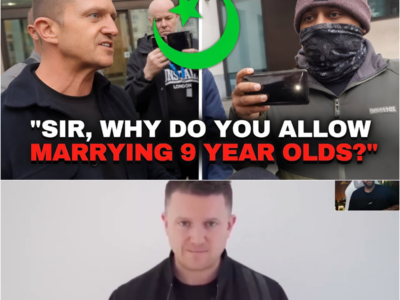
Protesters speak openly about their fear of a rising, un-integrated Islamist presence that they believe seeks to establish parallel legal and social frameworks within British towns. This sentiment was echoed clearly by a young independent commentator named Bob, a 17-year-old youth ambassador for Turning Point UK. Debating regularly at London’s famous Speaker’s Corner and across university campuses, Bob argues that modern forms of Islam are fundamentally incompatible with Western democratic frameworks unless the religion undergoes a radical, westernized evolution.
According to this view, British political discourse has become dangerously tribal and sectarian, with traditional free speech increasingly suppressed by a corporate and academic culture obsessed with political correctness. Protesters argue that the freedom to criticize religious doctrines or question immigration policy has been systematically labeled as “hate speech” to silence legitimate political dissent. Consequently, the defense of Christianity becomes synonymous with the defense of Western liberty, free speech, and historical identity.
An International Populist Alliance
The anxieties fueling the UK’s nationalist movement are far from unique, forming part of a broader, interconnected wave of global populism. This international connection was vividly illustrated at the London rally by the arrival of a delegation of nearly 150 individuals from New Zealand, associated with the conservative Destiny Church. Led by indigenous Maori and Samoan members, the group traveled halfway across the globe to perform the traditional Haka dance on stage in a powerful show of solidarity with British nationalists.
“I came here just to stand, because this is where the British came and brought Christianity to our country,” explained one indigenous New Zealander. “We want to make sure that it stays here, because we believe that if it stays here, it will save every other country as well.”
The New Zealand delegates emphasized that the cultural and demographic shifts troubling the United Kingdom are playing out identically within their own Pacific homeland. They spoke of a shared global phenomenon where working-class citizens are being displaced, housing markets are becoming unaffordable, and local populations are losing their sense of national identity due to mass migration from regions like Iraq and India.
               [ GLOBAL POPULIST ALIGNMENT MATRIX ]

  WESTERN POPULIST SENTIMENT             INDIGENOUS POPULIST ALLIANCE
  ==========================             ============================
  * Defense of historic borders          * Protection of sovereign heritage
  * Preservation of Christian roots      * Honor for foundational traditions
  * Pushback against globalism           * Rejection of unchecked migration
  * High value on free expression        * Demand for transparent dialogue
This alliance between British nationalists and indigenous Pacific Islanders challenges the standard media narrative that presents populist movements as simple expressions of white supremacy. Instead, it reveals a growing, multi-ethnic coalition of conservative believers who are united by a shared defense of sovereign borders, traditional values, and local cultural preservation against the homogenizing forces of global migration.
The Free Speech Dilemma in a Fragmented Democracy
The strategic evolution of these rallies presents a serious challenge for Western democratic institutions. When populist movements successfully shed the chaotic, aggressive aesthetic of the past and replace it with a disciplined strategy centered on smiles, families, and reasonable-sounding appeals to law and order, they become far more difficult for the political establishment to marginalize.
The core message of these demonstrations—that a nation must have secure borders, vetted immigration, and a shared cultural identity to survive—resonates deeply with millions of quiet voters who would never dream of joining a street protest. By creating an inclusive, emotionally uplifting environment on the ground, independent vloggers and populist leaders are effectively bypassing mainstream media gatekeepers, building massive, direct-to-consumer digital audiences that feel entirely validated by what they see.
As long as mainstream political leaders fail to effectively address the underlying issues of illegal immigration, economic strain, and cultural fragmentation, the appeal of these smiling populist movements will only continue to grow. The festive crowds filling the streets of London are not a passing political anomaly; they are the visible manifestation of a profound, unresolved struggle over the future identity and democratic boundaries of the Western world.