Does the Gospel of Luke Accurately Describe Jesus’ Birth? Unraveling the Quirinius Puzzle
Does the Gospel of Luke Accurately Describe Jesus’ Birth? Unraveling the Quirinius Puzzle
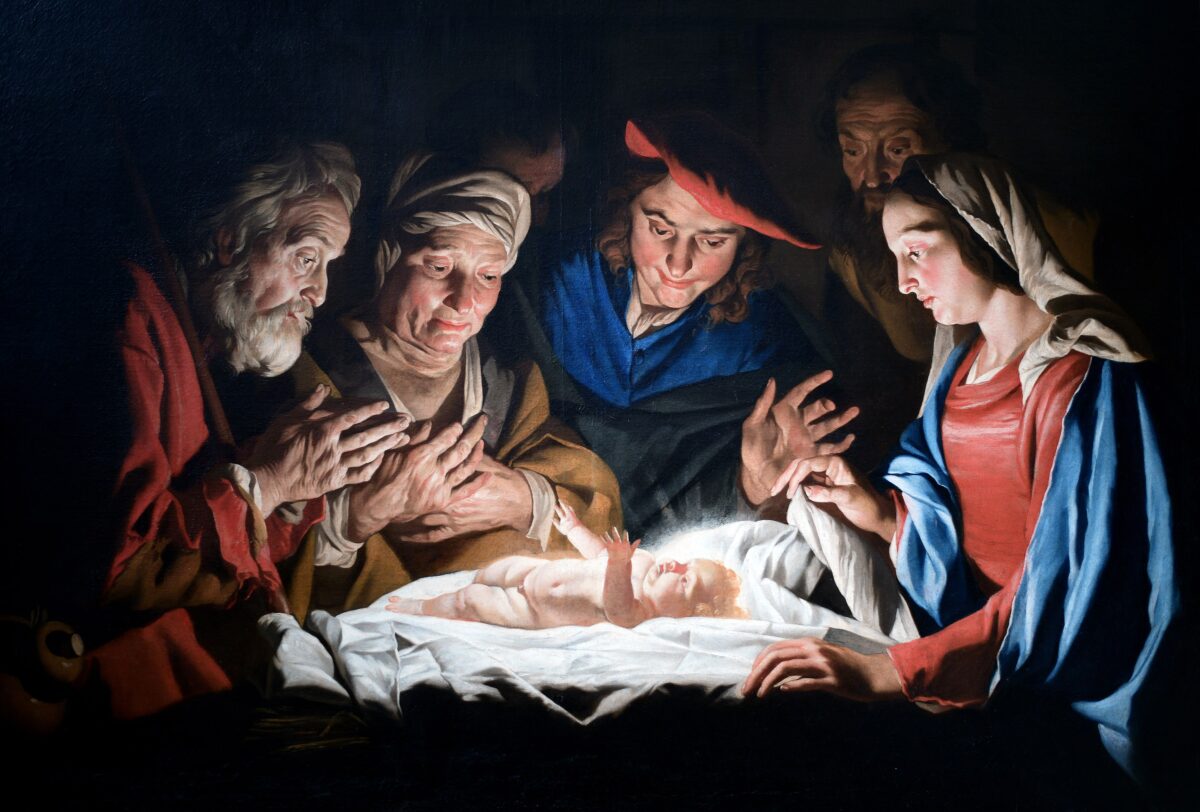
For centuries, scholars have debated whether the Gospel of Luke gives a historically accurate account of Jesus’ birth. A central point of contention revolves around Luke’s reference to Quirinius, the Roman governor of Syria, as being in office when Jesus was born. At first glance, this seems impossible: historical records suggest Quirinius assumed governorship only in 6 CE, while Jesus is widely believed to have been born between 6 and 2 BCE. How could Luke have been so “off”?
According to Luke, Joseph and Mary traveled to Bethlehem to register for a Roman census, which occurred under Quirinius’ rule. This detail, seemingly minor, has sparked intense scrutiny because Quirinius’ governorship appears in the writings of Josephus and Tacitus—sources written roughly a century later. Critics argue that this chronological mismatch undermines Luke’s reliability as a historical source.
Yet, the debate is far from settled. Some scholars have uncovered intriguing evidence that suggests Quirinius may have held a role in Syria before 6 CE. Key to this claim is a fragmentary inscription known as the Lapis Tiburtinus (or Tutulis Tiburtinus). While the inscription does not preserve the name of the honoree, it records achievements that align closely with Quirinius’ known career: subduing a rebellious tribe near Syria under Augustus’ reign, receiving a triumph, serving as proconsul in Asia, and eventually becoming governor of Syria.

This evidence opens the door to the possibility that Quirinius exercised authority in the region years earlier than previously thought—potentially reconciling Luke’s account with historical fact. While definitive proof remains elusive, these findings invite a reassessment of Luke’s narrative. Far from being dismissed as mere error, his Gospel may preserve a memory of historical circumstances more nuanced than traditional scholarship has assumed.
Ultimately, the question of Jesus’ birth and Quirinius’ role challenges us to explore how history, memory, and faith intersect, and whether ancient texts can convey truth even when precise dates remain uncertain.