The Town That Actually Has Vampires…
The Town That Actually Has Vampires…
The grave is still there in Exeter, Rhode Island. Visitors leave coins, flowers, crosses, and sometimes garlic—not because a monster was proven real, but because this quiet New England town once became convinced the dead were feeding on the living.
If you drive through Exeter today, you will not find a gothic castle, a fog-covered Transylvanian village, or pale figures drifting through candlelit streets. You will find rural roads, old cemeteries, stone walls, churches, trees, and the kind of silence that makes history feel close. It looks peaceful. Almost too peaceful for a place tied to one of the strangest vampire stories in America.
But in the late 1800s, peace was exactly what Exeter did not have.
Families were dying.
One by one, people wasted away from a sickness they called consumption. The name itself sounded like a curse. A person would cough, weaken, lose weight, grow pale, spit blood, and slowly disappear while still alive. Doctors had few answers. Families watched helplessly as one loved one died, then another began showing the same symptoms. To modern medicine, the enemy has a name: tuberculosis. To terrified rural communities with limited medical understanding, it seemed like something more personal.
Something was consuming them.
And if the living were being consumed, people began asking whether the dead were responsible.
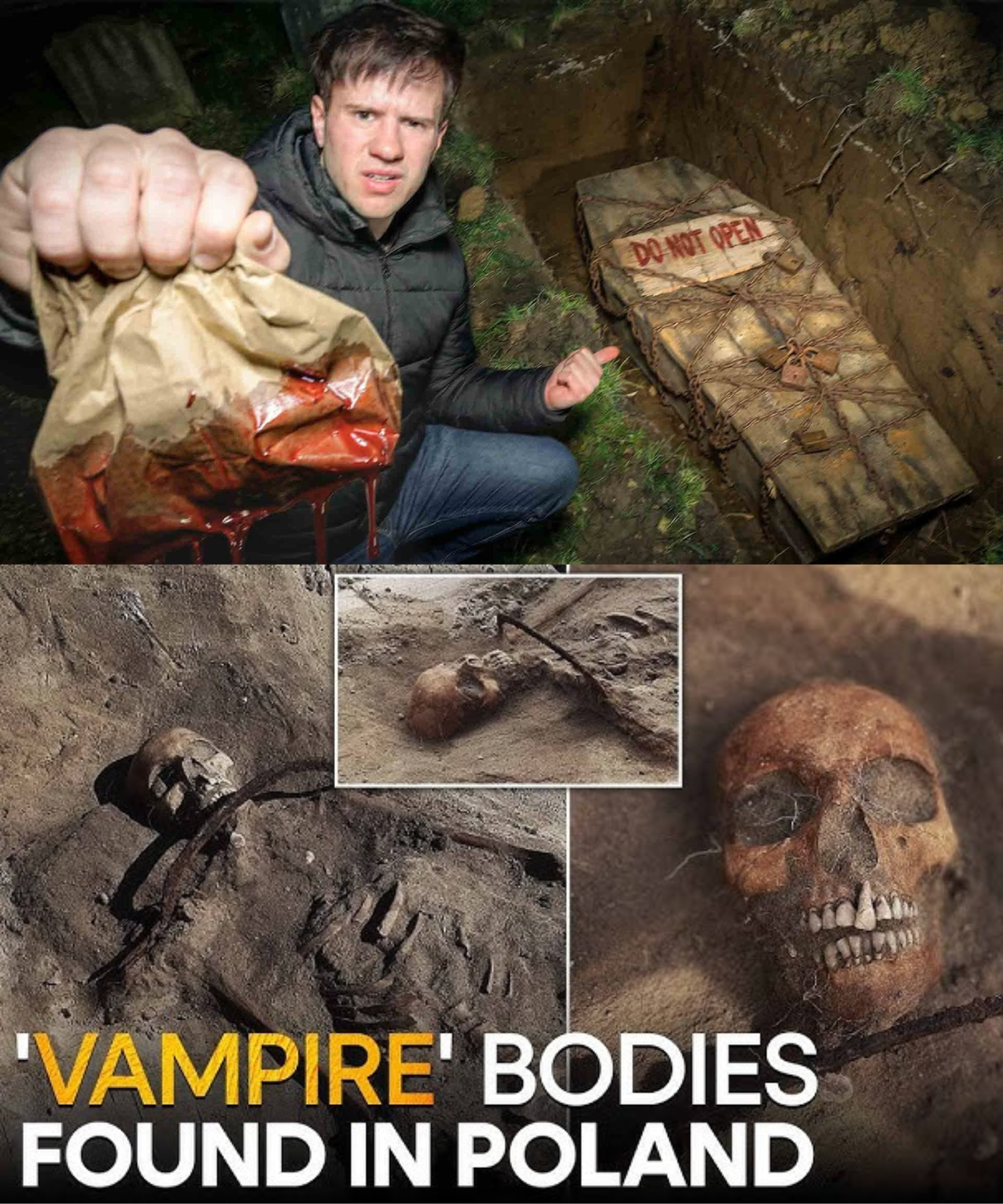
This fear was not unique to Exeter. Across parts of 18th- and 19th-century New England, communities responded to tuberculosis outbreaks with rituals that now sound horrifying. Graves were opened. Bodies were examined. If a corpse seemed too well preserved, if blood remained in the heart, if organs looked strangely fresh, locals sometimes believed the dead person had become a vampire-like force draining life from surviving relatives. Hearts were removed and burned. Ashes were sometimes mixed into medicine for the sick.
This was not the elegant vampire of novels and movies. No black cape. No aristocratic accent. No immortal seducer standing beneath moonlight. New England’s vampire was a desperate medical explanation wrapped in folklore. It was a name given to fear when science had not yet reached the farmhouse.
The most famous case was Mercy Lena Brown.
She was nineteen years old when she died in January 1892. Her family had already been devastated by consumption. Her mother, Mary Eliza Brown, had died years earlier. Her sister Mary Olive died not long after. Then Mercy became ill and died too. Her brother Edwin was also sick, and his condition terrified the remaining family and neighbors. To people watching the Brown household suffer loss after loss, it felt as if death had taken up residence there.
George Brown, Mercy’s father, had already buried a wife and daughters. He was watching his son fade. Imagine that kind of grief before antibiotics, before modern X-rays, before anyone around you could truly explain why the same sickness kept moving through your home. Today, we can say tuberculosis spreads through airborne bacteria. Back then, some people believed the dead might be pulling the living into the grave.
Neighbors urged action.
In March 1892, Mercy Brown’s body was exhumed.
The moment became legend because Mercy’s body appeared less decomposed than expected. In reality, she had died in winter, and cold conditions likely slowed decomposition. But to a frightened community, her preserved state seemed like evidence. Reports said her heart still contained blood. The conclusion was horrifying but, to those present, urgent: Mercy was the one feeding on Edwin.
Her heart and liver were removed and burned.
The ashes were reportedly mixed into a tonic and given to Edwin in the hope that it would save him.
It did not.
Edwin Brown died a few months later.
That fact gives the story its deepest sadness. No monster was defeated. No curse was broken. A young woman’s grave was violated, and a dying young man still died. The ritual did not save the family. It only revealed how far fear can drive people when grief has no explanation.
Yet Mercy Brown did not fade into obscurity. Instead, she became one of America’s most famous “vampires,” sometimes called the last vampire of New England. Her grave became a destination for curiosity seekers, folklore lovers, ghost hunters, historians, and people drawn to the uneasy boundary between medicine and myth. Some come for the spooky legend. Others come with sympathy. Many leave tokens because the story is not just frightening. It is tragic.
That is why Exeter feels different from fictional vampire towns.
Its vampire story was not born from fantasy.
It was born from illness.
The people who opened Mercy’s grave were not cartoon villagers waving torches for entertainment. They were frightened, grieving, desperate people trying to save someone they loved. Their actions were disturbing, but their fear was human. This is what makes the story linger. It forces us to ask how we would behave if death kept entering our home and no one could explain why.
The vampire panic reveals an uncomfortable truth: monsters often appear where knowledge is missing.
Tuberculosis was terrifying because it moved invisibly. A family member might seem healthy, then begin coughing. Weeks later, they were weaker. Months later, they were gone. The disease seemed to drain life slowly, almost intentionally. In communities that still believed the dead could influence the living, the idea of a corpse feeding from the grave did not feel absurd. It felt like a pattern that explained the pain.
The signs they looked for were also misunderstood. A body that seemed preserved could be explained by winter temperatures, burial conditions, and timing. Blood in organs was not supernatural. Changes after death were part of decomposition. But when people wanted evidence of vampirism, ordinary postmortem processes became proof.
Fear interpreted the body.
And once fear begins interpreting, it rarely stops at reason.
That is the real horror of Exeter’s vampire story. Not that vampires were proven real, but that suffering made people see vampirism in a dead teenager’s body. Mercy Brown became a symbol of something she never chose. In life, she was a daughter and sister. In death, she became evidence in a community’s war against an invisible disease.
The town did not “have vampires” in the way horror movies imagine. It had something more disturbing: a society caught between modern medicine and old folklore, between love and panic, between the need to explain death and the danger of blaming the dead.
And yet, the legend has a strange afterlife.
Mercy’s story has been linked by some writers to the larger vampire tradition that fed into popular culture. The timing is fascinating. Her exhumation happened in 1892, only a few years before Bram Stoker’s Dracula appeared in 1897. Scholars and folklore writers have suggested that stories like Mercy Brown’s may have circulated widely enough to influence vampire fiction, or at least reflect the same cultural fears. Whether or not Mercy directly shaped literary vampires, her case belongs to the world that made vampires feel believable.
The late 19th century was obsessed with death, disease, blood, burial, and the possibility that the dead were not as silent as they seemed. Medical science was advancing, but not fast enough to calm every fear. Cities were growing. Old rural beliefs were fading, but not gone. Newspapers carried strange stories from small towns to larger audiences. The vampire was changing from village terror into modern myth.
Mercy Brown stood at that crossroads.
She was not Dracula.
She was what people feared before Dracula became glamorous.
That distinction matters. The New England vampire was not a romantic predator. It was usually a family member accused after death. The fear was intimate. The monster was not a stranger entering the house at night. The monster was someone buried in the family plot, someone loved, someone mourned, someone whose body was disturbed because the living could not survive another loss.
That makes the story more painful than fictional horror.
A stranger as monster is easy to hate.
A daughter as vampire is unbearable.
Exeter’s cemetery still carries that tension. Visitors may arrive expecting a spooky thrill, but many leave sobered. Mercy’s headstone is not a movie prop. It marks the grave of a real young woman who died of disease and became trapped inside a legend. The offerings people leave are not only decorations. They are apologies, curiosities, prayers, and attempts to connect with a story that remains hard to process.
The town’s vampire legacy also reminds us that folklore is not meaningless. Folklore is how communities explain what they cannot control. It may be medically wrong, historically distorted, or morally troubling, but it reveals emotional truth. The vampire panic tells us how tuberculosis felt before germ theory became widely understood. It felt like invasion. Like a curse. Like the dead reaching back.
In that sense, the vampire was a metaphor before people knew it was a metaphor.
Consumption made people look undead while still alive. They grew pale. They became thin. Their energy disappeared. Their blood appeared in coughs. The disease seemed to consume them from within. The living looked ghostly. The dead seemed suspicious. The boundary between illness and haunting became thin.
Today, we understand the biology.
But understanding biology does not erase the emotional horror.
A disease that slowly takes a family member still feels cruel. A parent watching multiple children die still experiences a kind of nightmare. When people judge the vampire panic too quickly, they risk missing the grief beneath the superstition.
That does not mean the rituals should be excused. Exhuming bodies, burning organs, and feeding ashes to the sick were tragic acts born of fear. Mercy Brown was not helped by what happened to her body. Edwin was not saved. The ritual failed in every practical sense.
But history is most useful when it lets us see both the wrongness and the humanity.
The people of Exeter were wrong about vampires.
They were not wrong to be afraid.
The phrase “the town that actually has vampires” works because it touches a nerve. It suggests that somewhere in America, beneath white church steeples and old headstones, the vampire legend became real. But the truth is more complicated and more haunting. Exeter had no confirmed undead. It had a real vampire panic. It had a real exhumation. It had a real girl whose heart was burned because people believed death was not finished with her.
The vampire existed in belief.
And belief was powerful enough to move living hands.
That may be scarier than fiction.
A fictional vampire must rise from the grave to harm people. A believed vampire only has to exist in the imagination of the frightened. Once enough people believe, graves open. Rituals happen. Families suffer twice: once from disease, once from fear.
This is why Mercy Brown’s story still matters. It is not simply an old ghost tale for Halloween. It is a case study in what happens when grief, misinformation, disease, and community pressure combine. It belongs to medical history, folklore, religious studies, anthropology, and American cultural memory. It asks us to consider how people respond when institutions fail to give answers and suffering becomes unbearable.
The modern world is not immune to this. We like to think we are far beyond vampire panics, but fear still creates monsters. When new diseases appear, rumors spread. When science moves slowly, people reach for certainty. When communities are frightened, they look for someone or something to blame. The language changes, but the pattern remains.
The vampire panic warns us that misinformation can become ritual.
And rituals can hurt real people.
Mercy Brown’s grave endures as a quiet warning. The stone does not shout. The cemetery is not theatrical. There is no lightning, no organ music, no castle shadow. Just a young woman’s name, a death date, and the weight of what others made of her after she was gone.
That is why the story refuses to die.
It has all the ingredients of legend: a rural town, a wasting disease, a family curse, a winter burial, an exhumed body, a heart burned to save the living, and a young woman remembered as a vampire. But beneath every gothic detail is a human tragedy.
Mercy was nineteen.
Her brother was dying.
Her father was grieving.
Her neighbors were afraid.
And a town, desperate for an answer, turned to the dead.
So does Exeter actually have vampires?
In the biological, supernatural sense, no evidence proves that it does.
But in the historical sense, Exeter has something almost as chilling: one of America’s best-known cases where people truly believed a vampire was among them, acted on that belief, and left behind a story that still draws visitors more than a century later.
The vampire in Exeter is not waiting in a coffin.
It is waiting in history.
It is the fear that rises when death has no explanation.
It is the desperation that makes superstition feel like medicine.
It is the way a grieving community can turn a sick girl into a monster because the alternative—admitting helplessness—feels even worse.
And perhaps that is why people still leave offerings at Mercy Brown’s grave. Not because they believe she rises at night, but because they understand, on some level, that she was not the villain of the story.
She was its victim.
The real vampire was the disease.
The real horror was fear.
And the town that “actually has vampires” is really the town that reminds us how easily human beings can create monsters when they do not yet understand what is killing them.