Titanic’s Final Battle Against Time — How the Wreck is Slowly Vanishing from the Ocean Depths
Titanic’s Final Battle Against Time — How the Wreck is Slowly Vanishing from the Ocean Depths
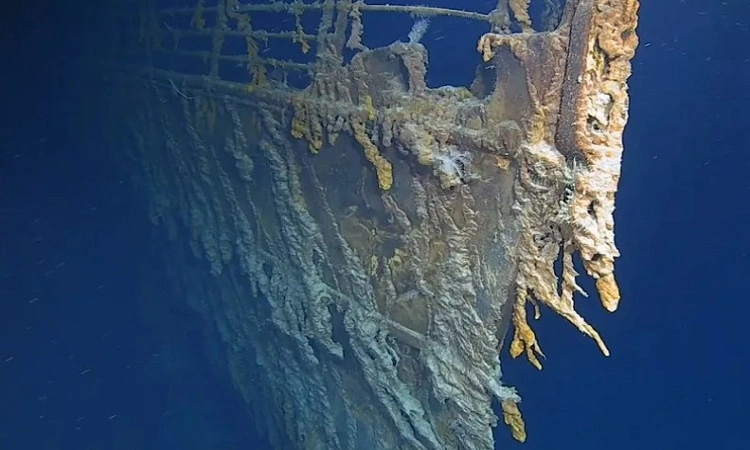
The fate of the RMS Titanic — the legendary ship that sank to the bottom of the Atlantic Ocean over a century ago — is a story of both historical significance and natural decay. The wreck, which lies more than 3,600 meters beneath the ocean’s surface, is slowly being consumed by the harsh elements of the deep sea. Once the pride of the White Star Line, the Titanic now faces an unrelenting battle against corrosion, powerful ocean currents, and bacteria that feed on the metal skeleton of the ship.
Discovered in 1985 after lying dormant for more than 70 years, the Titanic’s wreck has become the subject of numerous expeditions, but experts now agree that its days are numbered. Patrick Lahey, a veteran submersible explorer and president of Triton Submarines, has made multiple dives to the wreck, and according to him, the Titanic’s condition is deteriorating rapidly. The process of decay is inevitable, and while it may take decades, the ship is on a path toward complete dissolution. The combination of deep ocean currents, saltwater corrosion, and bacteria like Halomonas titanicae is hastening its demise.
Halomonas titanicae, a species of bacteria discovered in 2010, feeds on the steel of the Titanic’s structure, creating rusticles — delicate formations that resemble icicles made of rust. These formations are a visible sign of the ongoing bacterial activity that is slowly eroding the Titanic from the inside out. Experts predict that within just 30 years, the Titanic may no longer exist in its current form, reduced to nothing more than dust and debris scattered across the ocean floor.
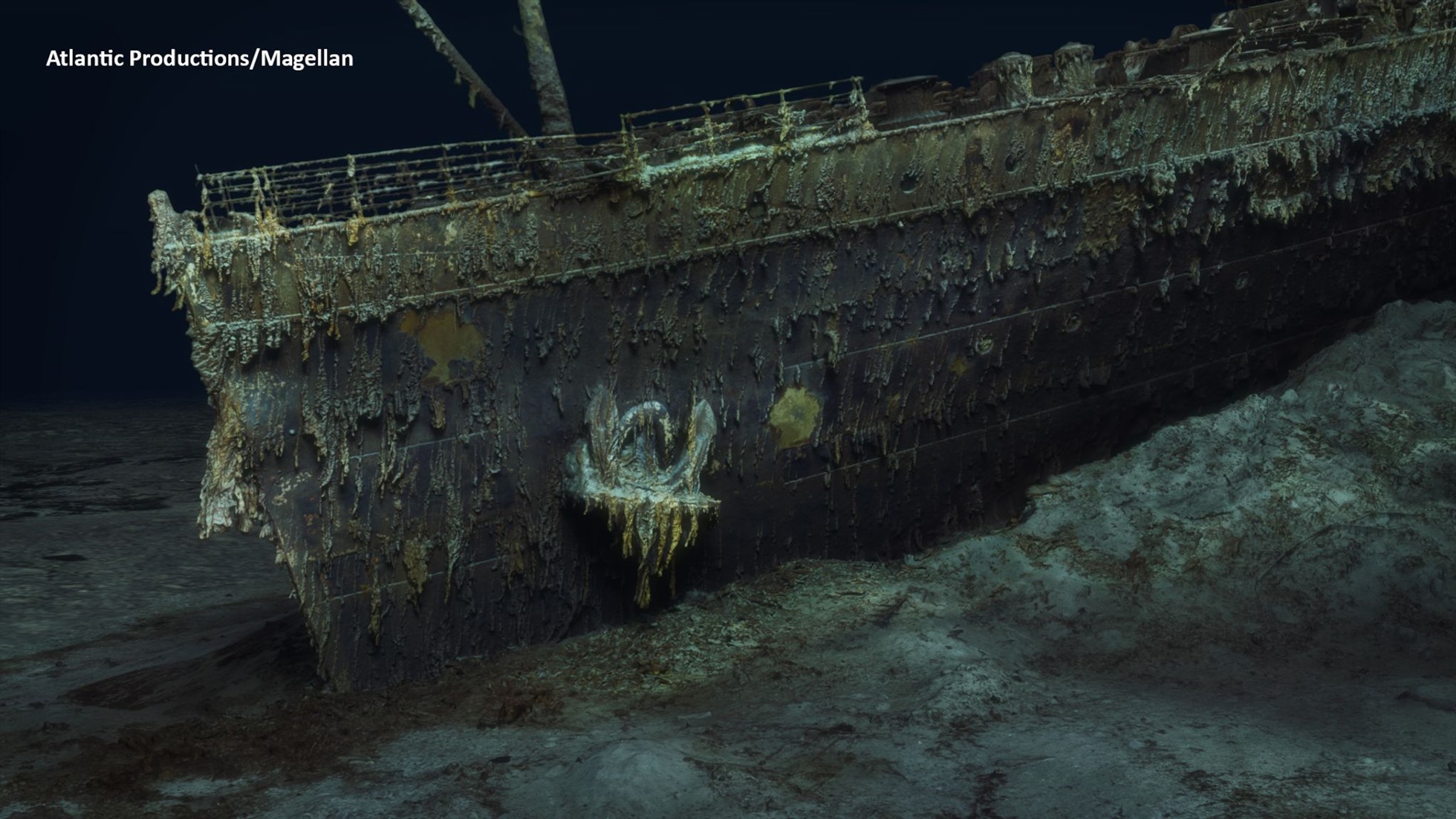
The Titanic’s decay is compounded by the collapse of its once-grand upper decks. As each floor crumbles, it drags down sections of the ship, creating a cascade effect of destruction. This has led to the collapse of one of the most iconic areas of the wreck — Captain Edward Smith’s quarters. In 1996, items from this area, such as the bathtub, were still visible. However, now the room has disappeared into the deeper parts of the wreck as the ship continues to break apart.
While these natural processes are expected, they are still shocking to witness, especially in iconic areas like the starboard side of the Titanic. According to Titanic historian Parks Stephenson, the destruction on this side of the ship is the most intense. Entire sections, including large bedrooms, have been consumed by decay, leaving behind only remnants of what was once a grand luxury liner.
With each passing year, the Titanic is being swallowed by the ocean, and the window to witness its remains is closing fast. Just recently, a submersible expedition to the wreck ended in tragedy when the OceanGate Titan submersible, carrying five passengers, lost communication during a dive. This serves as a stark reminder of the dangers and the fragile state of this once-magnificent vessel. As the Titanic slowly vanishes from the depths, its legacy and the memory of the lives lost aboard will remain, but the wreck itself is rapidly becoming a shadow of its former self.