Ancient Letter Attributed to Pontius Pilate Allegedly Describes Jesus’ Appearance — And the Details Are Stunning
Ancient Letter Attributed to Pontius Pilate Allegedly Describes Jesus’ Appearance — And the Details Are Stunning

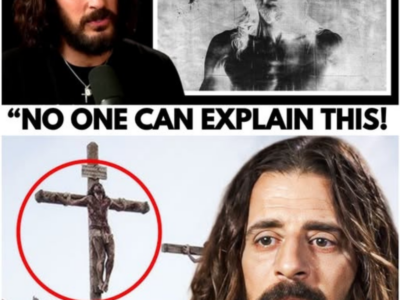
For centuries, one of history’s greatest mysteries has remained unanswered: what did Jesus Christ actually look like? While countless paintings, statues, and films have portrayed Him in different ways, the Bible itself gives almost no physical description of Jesus. But now, an ancient letter allegedly connected to Pontius Pilate is once again sparking worldwide fascination after claims emerged that it contains a detailed description of Jesus’ face, hair, eyes, and overall appearance.
According to the controversial document, said to have been written by Pilate to the Roman Emperor Tiberius, Jesus was described as a man of extraordinary presence — someone whose appearance alone commanded attention and inspired both fear and admiration. The text portrays Him as having flowing hair the color of ripe hazelnut, a beard neatly divided, piercing eyes, and a face filled with both gentleness and authority.
The letter claims that no one who looked upon Him could remain indifferent. Some versions describe Jesus as possessing an almost supernatural calmness, while others emphasize His wisdom and the mysterious power people felt in His presence. For believers, the description feels deeply emotional. For historians, however, the story is far more complicated.
Many scholars argue that the so-called “Letter of Pilate” is likely not an authentic Roman document from the time of Jesus, but rather a later Christian writing created centuries afterward. Historians note that no verified Roman archives contain the original text, and several versions of the letter appeared long after the events of the crucifixion. Despite this, the document has continued to captivate millions because it offers something the Bible never directly provides — a vivid human image of Jesus Himself.

What makes the letter even more controversial is how closely its description influenced later artistic depictions of Christ throughout Europe. Some researchers believe medieval painters and religious scholars may have drawn inspiration from these writings when creating the now-famous image of Jesus with long hair, light skin, and a beard — an appearance that has shaped Christian art for centuries.
At the same time, modern historians and forensic experts suggest Jesus, as a Jewish man living in the Middle East during the first century, likely looked very different from many traditional Western portrayals. This ongoing debate has sparked intense discussions online about history, faith, culture, and how humanity imagines one of the most influential figures who ever lived.
Still, whether authentic or legendary, the ancient Pilate letter continues to fascinate believers and skeptics alike. For some, it offers a glimpse into the humanity of Jesus. For others, it represents how stories evolve over time, blending faith, mystery, and imagination into something powerful enough to survive for nearly two thousand years.
And perhaps that is why the document refuses to disappear from history. Because even today, the question remains just as compelling as ever: if the world truly saw the face of Jesus… would it change everything we think we know?