Real Events from The Passion of the Christ Set: What Happened Behind the Scenes
Real Events from The Passion of the Christ Set: What Happened Behind the Scenes
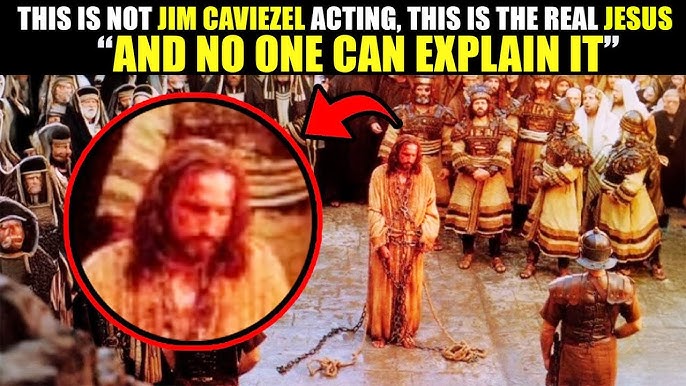
The Passion of the Christ (2004), directed by Mel Gibson, is one of the most talked‑about biblical films in modern cinema. Behind its intense portrayal of Jesus’ final hours lies a series of real events — some challenging and unusual — that occurred during production. While there’s no verified “mystery” in a supernatural sense, many moments from the set have sparked discussion and reflection over the years.
One of the most widely reported aspects of the shoot was how physically demanding it was for lead actor Jim Caviezel, who played Jesus. Filming took place in the cold Italian winter, and Caviezel contracted hypothermia, pneumonia, and related lung infections as a result of being on the cross in harsh conditions. He also dislocated his shoulder while carrying a roughly 150‑pound cross, and on more than one occasion was accidentally whipped during the scourging scenes — with scars from those hits later serving as reference for the makeup effects.
Perhaps the most unusual event often discussed by cast and crew was lightning strikes on set. During the filming of the Sermon on the Mount sequence, both Caviezel and assistant director Jan Michelini were struck by lightning within minutes of one another. These incidents were rare enough that they became part of the lore surrounding the production, although researchers and meteorologists note that lightning can occur unpredictably, especially during location shoots.

In interviews, Caviezel has spoken about how deeply the role affected him personally and spiritually. He described the combination of physical hardship and emotional intensity as unlike anything else he had done, saying that praying the Rosary and receiving sacraments helped him cope with the demands of the part. While these reflections are personal rather than “mysteries,” they highlight how immersive the experience was for him.
Production conditions also took a toll on the broader cast and crew. Long hours, emotionally charged scenes, and physically taxing setups reportedly led to sickness and injuries beyond just the principal actors. Filming a project of this scale and realism naturally creates a high‑stress environment, and many involved recalled the experience as one of the most demanding in their careers.
Finally, debates and discussions about the film’s portrayal of events — including accusations of historical inaccuracy or controversial interpretations of Gospel details — have kept it in public conversation long after its release. While these debates are not strictly about on‑set occurrences, they are part of the enduring legacy of how the movie was made and received.
In summary, the “mysteries” from the making of The Passion of the Christ are rooted in the physical realities of a challenging film shoot, the personal effects on its lead actor, and the unusual coincidences that happened during production. These events continue to be discussed not because they defy explanation, but because they reflect the intensity and commitment involved in bringing a powerful historical narrative to the screen.