Iran Reveals Supreme Leader Mojtaba Khamenei Was Injured in U.S.–Israel Airstrikes — First Official Details Emerge
Iran Reveals Supreme Leader Mojtaba Khamenei Was Injured in U.S.–Israel Airstrikes — First Official Details Emerge
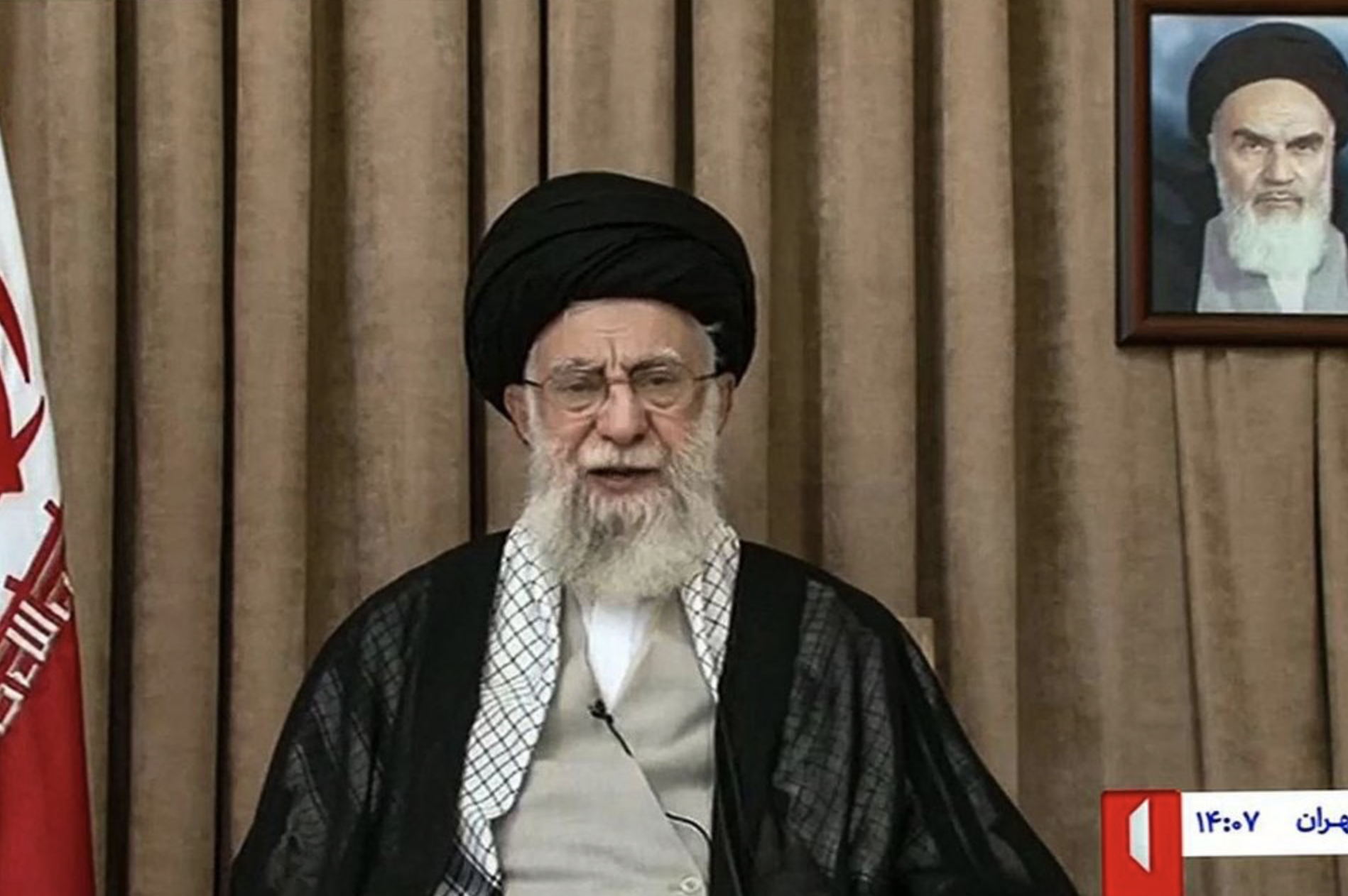
In a major and unprecedented disclosure, Iran has publicly revealed details about injuries sustained by its new Supreme Leader, Ayatollah Mojtaba Khamenei, during the U.S.–Israel airstrikes that triggered the current conflict—making this the first official account of his condition since the war began.
According to senior Iranian officials, Mojtaba Khamenei was wounded during airstrikes on February 28 that killed his father and predecessor, Ayatollah Ali Khamenei, along with other members of the Iranian leadership. The government disclosed that he suffered injuries to his back and kneecap, and also sustained a minor ear injury that was treated discreetly beneath his turban. His wife was reportedly killed in the same attack.
Tehran asserts that the supreme leader’s injuries are not life‑threatening and that he is currently stable and recovering, though he has been absent from public view since the strikes. The lack of confirmed photos or video of Mojtaba since his appointment has fueled widespread speculation and uncertainty about his exact condition and whereabouts.
International perspectives highlight the controversial nature of this disclosure. U.S. defense officials have gone further, suggesting that he was wounded and possibly disfigured during the strikes, a claim made during public briefings by U.S. figures citing strategic assessments of the conflict.
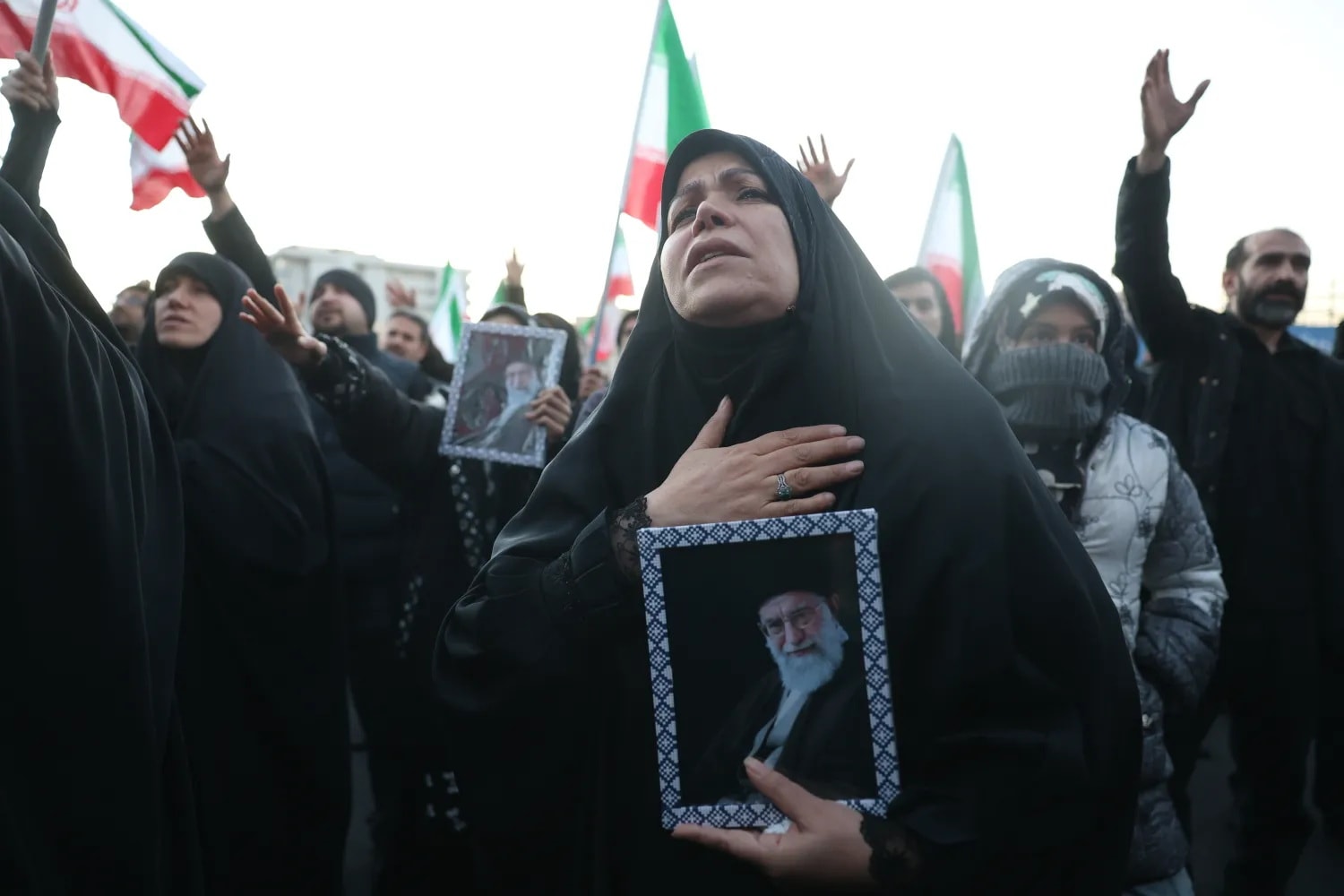
The opacity surrounding Mojtaba Khamenei’s health has prompted intense speculation abroad, with some outlets reporting unverified claims that he may have been more severely injured—including enduring multiple surgeries or even being transported abroad for medical care.
Iran’s decision to publicly address the supreme leader’s injuries marks a rare shift in its official communication—coming amid ongoing tensions with the United States and Israel and ongoing debate over the trajectory of the conflict.