“Confrontation in the U.S. Sparks Heated Debate Over Free Speech, Faith, and LGBTQ Activism”
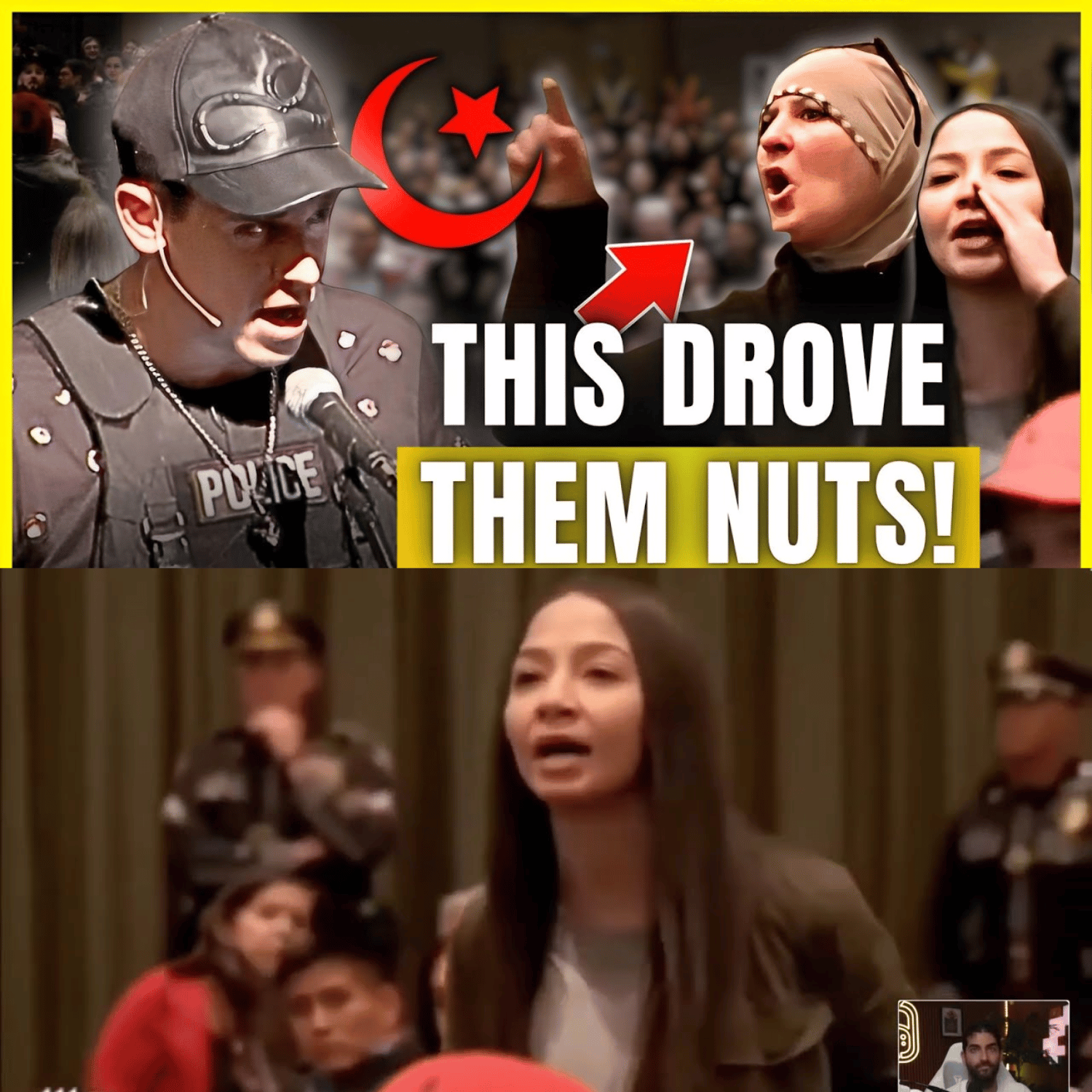
Controversial U.S. Speech on LGBTQ Rights and Religious Law Sparks Nationwide Debate Over Free Expression
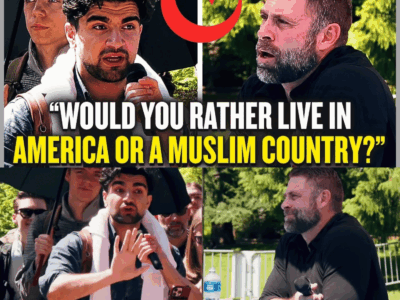
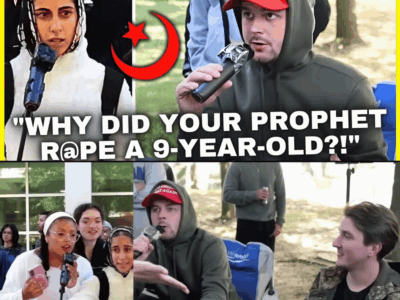
A provocative public speech delivered at a recent U.S.-based event has gone viral online, igniting a heated national debate over free speech, religious criticism, and LGBTQ rights across different legal systems worldwide. The speaker’s remarks, which focused heavily on the criminalization of homosexuality in certain countries and the role of religious law in shaping legislation, quickly divided audiences both at the venue and across social media.
The address began with a direct challenge to the audience: whether it is morally acceptable that same-sex relationships remain illegal in multiple parts of the world. The speaker cited global human rights estimates suggesting that millions of people live under legal systems where homosexuality is criminalized, including countries in Africa, the Middle East, and South Asia.
He argued that in many of these regions, laws restricting LGBTQ identities are influenced by religious frameworks, including interpretations of Islamic law. This claim immediately drew both applause and visible dissent from attendees, setting the tone for an emotionally charged discussion.
As the speech progressed, the speaker broadened his argument beyond legal systems, suggesting that cultural and religious traditions play a major role in shaping social attitudes toward sexuality. He referenced public executions and harsh penalties reported in extremist-controlled territories, contrasting them with Western legal protections for LGBTQ individuals.
However, critics of the speech argue that this comparison blurred important distinctions between extremist militant groups, state law, and the beliefs of ordinary religious communities. Experts note that conflating armed extremist organizations with mainstream religious populations can lead to misleading conclusions and social stigma.
During the event, the atmosphere became increasingly tense. Several audience members reportedly left while others engaged in verbal pushback. The speaker, in turn, challenged those who exited, accusing them of avoiding difficult truths and refusing to engage with statistical arguments.
One of the most controversial segments of the speech involved references to high-profile criminal cases in Europe and the United Kingdom. The speaker cited historical abuse scandals and alleged failures by institutions to act decisively due to fears of being accused of discrimination. These references touched on sensitive public inquiries, including widely reported cases of child exploitation in northern England.
While such scandals are documented and have been the subject of official investigations, public reports generally attribute institutional failures to systemic neglect, poor communication between agencies, and social factors rather than any single religious or ethnic cause. Analysts caution against using these cases to generalize about entire communities.
The speaker also raised concerns about media reporting on hate crimes, suggesting that some incidents are later found to be fabricated or exaggerated. He pointed to a small number of cases in which individuals admitted to false reporting, arguing that these examples demonstrate bias in public discourse. Law enforcement data, however, shows that while false reports do occur, they represent a small fraction of total reported hate crimes.
As clips from the event circulated online, reactions were immediate and deeply polarized. Supporters praised the speaker for what they described as “unfiltered truth-telling” and accused mainstream media and academic institutions of avoiding uncomfortable conversations about religion, culture, and LGBTQ safety.
Many supporters emphasized the importance of free speech, particularly in academic and public forums. They argued that discussions about legal inequality affecting LGBTQ individuals globally should not be dismissed simply because they involve religious or cultural sensitivities.
On the other side, civil rights organizations, interfaith coalitions, and academic commentators strongly criticized the framing of the speech. They argued that it risked reinforcing harmful stereotypes about Muslim communities worldwide by attributing complex legal and political realities to religion alone.
Several organizations issued statements emphasizing that Islam, like Christianity and Judaism, is interpreted in diverse ways across different countries and communities. They stressed that laws criminalizing homosexuality in certain nations are shaped by a combination of political governance, colonial history, authoritarian rule, and local cultural norms—not solely religious doctrine.
Experts in international human rights law also weighed in, noting that while LGBTQ rights remain deeply contested in many parts of the world, there is significant variation even among Muslim-majority countries. Some nations impose strict penalties, while others have no enforcement or are gradually moving toward reform.
The controversy has also reignited debate in the United States over how far free speech protections extend when addressing sensitive topics involving religion and identity. Legal scholars point out that while the First Amendment allows for broad expression, social consequences and platform moderation policies increasingly shape what is amplified in public discourse.
At the event itself, organizers later stated that the purpose of the forum was to encourage open dialogue on global human rights issues. However, they acknowledged that emotionally charged topics require careful framing to avoid misinterpretation or unintended harm.
The speaker has since doubled down on his remarks in online posts, arguing that his critics are attempting to suppress legitimate discussion. He maintains that his focus is on legal systems and human rights outcomes rather than any individual group.
Meanwhile, the video continues to circulate widely on platforms such as YouTube, X (formerly Twitter), and TikTok, where it has become a focal point in broader culture-war debates. Comment sections remain sharply divided, with some users praising the speaker’s candor and others warning about the dangers of oversimplification and collective blame.
Observers note that this incident reflects a growing global pattern: debates about religion, sexuality, and free speech increasingly unfold in real time on social media, where short clips can amplify emotional reactions and reduce complex issues into polarizing soundbites.
As the discussion continues, the central tension remains unresolved. For some, the speech represents a necessary confrontation with uncomfortable global realities. For others, it exemplifies the risks of framing complex legal and cultural systems through sweeping generalizations that can deepen social divides.
What is clear, however, is that the conversation has moved far beyond the original event. It now sits at the intersection of law, identity, belief, and the increasingly volatile landscape of public discourse in the digital age.